

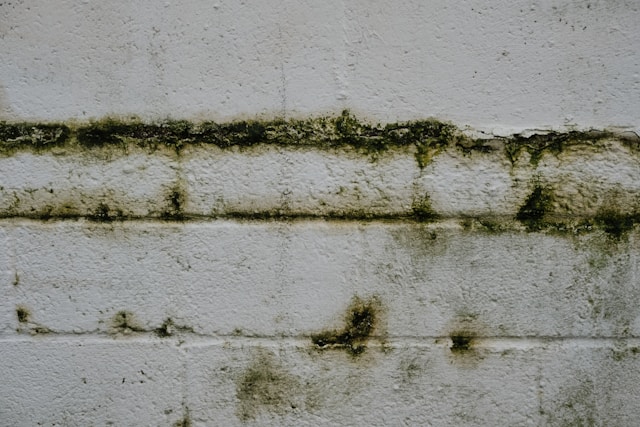
Finding mold in your home for the first time is unsettling. That fuzzy black, green, or white patch creeping across your bathroom ceiling or lurking behind your washing machine can trigger a wave of questions: Is it dangerous? Can I remove it myself? How did it even get there?
The good news is that most mold problems are manageable—especially when caught early. But tackling mold without the right knowledge can make things worse, spread spores to other areas, or put your health at risk. This guide walks you through everything you need to know as a first-time homeowner: what mold is, where it hides, how to remove it safely, and when to call in the professionals.
What is mold, and why does it grow in homes?
Mold is a type of fungus that reproduces through tiny airborne spores. Those spores are everywhere—inside and outside your home—and under the right conditions, they settle and grow into visible colonies within 24 to 48 hours. All mold needs is moisture, warmth, and an organic surface to feed on, like wood, drywall, or fabric.
Common triggers include leaky pipes, poor ventilation, flooding, condensation around windows, and high indoor humidity. Homes that sit empty for extended periods are particularly vulnerable. As a new homeowner, it’s worth knowing that mold doesn’t always announce itself—sometimes the first sign isn’t visual at all. A persistent musty smell or an unexplained increase in allergy-like symptoms can be your earliest warning.
Common types of household mold
Not all mold is created equal. While there are thousands of species, a handful tend to show up most often in residential settings:
- Cladosporium: Usually olive-green or brown, this mold often appears on wood surfaces, carpets, and fabrics.
- Penicillium: Recognizable by its blue-green color, penicillium spreads quickly and thrives on water-damaged materials.
- Aspergillus: A common household mold that can appear in various colors and tends to grow in areas with poor air circulation.
- Stachybotrys chartarum (black mold): Often referred to as “toxic black mold,” this dark greenish-black mold grows in chronically damp areas and is associated with more serious health concerns.
For most first-time homeowners, the specific species matters less than acting promptly. If you suspect black mold or have a large-scale infestation, skip the DIY approach and go straight to a certified remediation specialist.
Where to look for mold in your home
Mold thrives in places where moisture accumulates and airflow is limited. Make a habit of regularly checking these high-risk spots:
Bathrooms
The combination of steam, condensation, and limited ventilation makes bathrooms a prime target. Check around the base of the toilet, behind the sink, along grout lines, and on the ceiling above the shower.
Kitchens
Mold can grow beneath the sink (especially if there’s a slow leak), around the window above the sink, and behind or under appliances like the refrigerator and dishwasher.
Basements and crawl spaces
These areas often have poor air circulation and are prone to moisture intrusion from the ground or foundation walls. Look for mold on exposed wood beams, concrete walls, and stored belongings.
Attics
Roof leaks and condensation from inadequate insulation can lead to mold growth on rafters and roof decking. Many homeowners don’t check their attics until the problem is significant, so make it part of your annual home inspection.
Around windows and exterior walls
Condensation on cold windows and walls can feed mold growth on surrounding drywall, window frames, and sills.
How to remove mold safely: A step-by-step guide
Before you start, it’s important to know the scope of what you’re dealing with. The U.S. Environmental Protection Agency (EPA) recommends that homeowners handle mold patches smaller than 10 square feet (roughly 3 feet by 3 feet) on their own. Anything larger—or mold that has penetrated deep into building materials—warrants professional help.
Step 1: Gather the right protective equipment
Mold spores can irritate your lungs, eyes, and skin. Before touching anything, suit up with:
- An N-95 respirator mask (not just a basic dust mask)
- Safety goggles without ventilation holes
- Disposable gloves (nitrile or rubber)
- Old clothing you can bag and wash immediately afterward
Step 2: Contain the area
Mold spores spread easily when disturbed. Close the door to the affected room, cover vents with plastic sheeting and tape, and open a window to allow ventilation. If you have a box fan, face it outward to push air—and any dislodged spores—out of the room.
Step 3: Choose your cleaning solution
Several effective options are available depending on the surface and severity:
- White vinegar: Effective against most mold species and safe for most surfaces. Apply undiluted, let sit for at least an hour, then scrub and wipe clean.
- Baking soda: Gentle enough for regular maintenance and good at absorbing moisture. Mix one teaspoon with two cups of water, spray, scrub, and rinse.
- Hydrogen peroxide (3%): A solid antifungal option for non-porous surfaces. Apply, wait 10 minutes, then scrub away.
- Commercial mold removers: Products like Concrobium or RMR-86 are specifically formulated for mold and can be highly effective on porous surfaces.
Bleach is often the first solution people reach for, but use it carefully. While it kills surface mold on non-porous materials like tiles and glass, it doesn’t penetrate porous surfaces like grout, wood, or drywall—meaning the mold roots can survive and regrow. Bleach also produces harmful fumes, so always ventilate the area well and never mix it with other cleaning agents.
Step 4: Scrub and clean
Apply your chosen solution and scrub the affected area firmly using a stiff-bristled brush. Work from the outside of the mold patch inward to avoid spreading spores. Wipe away the residue with a damp cloth and dispose of it immediately in a sealed plastic bag.
Step 5: Dry the area thoroughly
Mold’s biggest ally is moisture. After cleaning, dry the area completely using towels, a fan, or a dehumidifier. Don’t leave any surface damp—mold can return within days if moisture remains.
Step 6: Dispose of contaminated materials
Porous materials that are deeply infested—like drywall, insulation, or carpet—often can’t be fully cleaned. If the mold has penetrated the material itself, cutting it out and replacing it is usually the safest option. Double-bag anything you remove and dispose of it according to your local waste guidelines.
Preventing mold from coming back
Removing mold is only half the battle. Without addressing the underlying cause, it will return. Here’s how to keep your home mold-free long-term:
Control humidity levels: Aim to keep indoor humidity between 30% and 50%. A hygrometer (available for under $20) can help you monitor this. Run a dehumidifier in damp areas like basements and bathrooms.
Improve ventilation: Install exhaust fans in bathrooms and kitchens if you don’t already have them, and run them during and after showers or cooking. Leave cabinet doors under sinks slightly open to improve airflow.
Fix leaks quickly: A dripping pipe or a slow roof leak can create the perfect conditions for mold within days. Inspect your plumbing and roof annually and address any issues immediately.
Seal problem areas: Use mold-resistant paint or primer in high-humidity areas. Caulk around tubs, showers, and windows to prevent moisture from seeping behind surfaces.
Dry wet materials fast: Wet towels, shower curtains, rugs, and clothing left damp can all become mold hosts. Wash and dry them promptly, and replace your shower curtain liner regularly.
When to call a professional
Some situations go beyond what a bucket and scrub brush can fix. Call a certified mold remediation specialist if:
- The affected area is larger than 10 square feet
- Mold keeps returning despite your efforts
- You suspect mold inside walls, floors, or your HVAC system
- Anyone in your household has respiratory conditions, allergies, or a weakened immune system
- You’ve had significant flooding or water damage
Professionals have industrial-grade equipment and containment procedures that prevent cross-contamination during mold removal. While the cost can feel steep—typically ranging from $500 to $6,000 depending on severity—it’s a worthwhile investment when the health and structural integrity of your home are at stake.
Frequently Asked Questions
Can mold come back after I remove it?
Yes, if the underlying moisture source isn’t addressed. Cleaning the visible mold without fixing the cause—such as a leaky pipe or poor ventilation—means you’re likely to see it return within weeks.
Is all black mold dangerous?
Not necessarily. Many mold species can appear black, and not all of them are Stachybotrys chartarum (the species typically associated with serious health risks). That said, any mold growth should be treated seriously and removed promptly.
How long does mold remediation take?
Small DIY jobs can be done in a few hours. Professional remediation for larger infestations can take anywhere from one to five days, depending on the scope.
Should I test for mold before removing it?
Home mold test kits are available, but they’re generally considered unreliable. If you can see or smell mold, testing before removal is usually unnecessary. Professional air quality testing is more accurate and worth considering if you suspect hidden mold.
Take control of your home’s health
Mold removal doesn’t need to be overwhelming. With the right tools, a methodical approach, and a focus on prevention, most first-time homeowners can handle minor infestations confidently. The key is acting fast—mold spreads quickly, and the longer it’s left, the more difficult and costly it becomes to remove.
Start by identifying and fixing moisture sources, clean affected areas thoroughly, and build regular mold checks into your home maintenance routine. Your home—and your health—will be better for it.


