

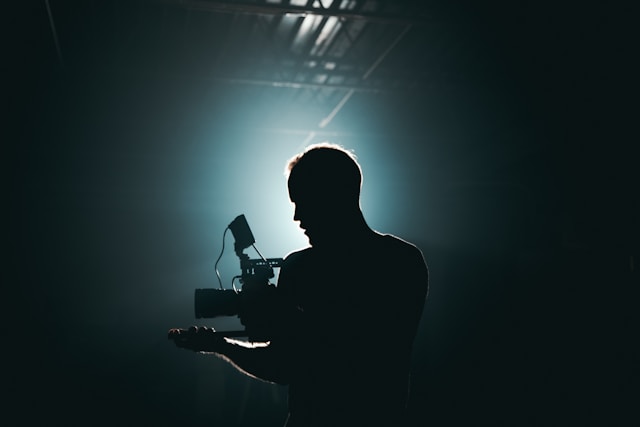
Quick answer: High-quality videography builds trust faster by combining visual proof, emotional resonance, and professional polish. Professional video signals brand competence and transparency, allowing consumers to process complex information rapidly while forming a strong, credible connection with your business or product.
Trust forms the foundation of every successful business relationship. When consumers evaluate a new brand, they look for immediate signals of reliability, competence, and authenticity. High-quality videography provides these signals instantly. Because the human brain processes visual information significantly faster than text, a well-produced video communicates your brand’s core values before the viewer even reads your company mission statement.
Low-quality visual content often achieves the exact opposite effect. Poor lighting, muffled audio, and shaky camera work subconsciously tell potential customers that a company cuts corners. If a business cannot invest in a proper presentation of its own products, consumers naturally assume that the products themselves might also lack quality. Professional videography removes this friction, establishing an immediate baseline of respect and credibility.
This comprehensive guide explores the psychological mechanics behind visual trust, the technical elements that separate amateur clips from professional brand assets, and the strategic advantages of upgrading your visual content. You will learn exactly how high-quality video content impacts consumer behavior and what steps your organization can take to implement a superior visual strategy.
How does high-quality videography impact consumer psychology?
The connection between visual quality and perceived trust is deeply rooted in human psychology. People are biologically wired to respond to faces, movement, and vocal tones. High-quality video captures these elements with crystal clarity, simulating a face-to-face interaction. This simulated proximity triggers the release of oxytocin, a hormone associated with empathy and relationship building.
When viewers watch a crisp, well-lit video featuring clear audio, their cognitive load decreases. They do not have to strain to hear the speaker or squint to see the product details. Cognitive fluency—the ease with which information is processed—directly correlates with a viewer’s likelihood to believe the information being presented. According to cognitive psychology principles, easy-to-process information feels more accurate and trustworthy. Therefore, a high-definition video makes your brand’s claims inherently more believable.
Furthermore, professional video production at Huat Designs leverages color psychology and compositional framing to guide the viewer’s emotional state. Warm, balanced color grading can make a corporate brand feel approachable. Symmetrical framing conveys stability and order. Every technical choice in high-quality videography serves a psychological purpose, gently guiding the target audience toward a state of confidence in your brand.
What are the core elements of professional video production?
Understanding why video works requires a close look at the individual components of videography. A successful brand video relies on a combination of specific technical disciplines.
Why is lighting crucial for establishing credibility?
Lighting is the most critical visual element in videography. It dictates the mood, highlights the subject, and separates professional content from amateur recordings. Flat, uneven lighting makes a scene look dull and unprofessional. Conversely, intentional lighting techniques—such as a standard three-point lighting setup—add depth and dimension to the subject.
Proper lighting also ensures that product details remain visible and accurate. If you are selling a physical product, the viewer needs to see the texture, color, and scale perfectly. Shadows that obscure the product create doubt. Bright, clear, and balanced lighting eliminates visual ambiguity, reassuring the customer that you have nothing to hide.
How does audio quality affect viewer retention?
Many video professionals argue that audio is actually more important than the video image itself. Viewers will often tolerate a slightly blurry image if the content is compelling, but they will immediately click away if the audio is distorted, echoing, or too quiet. Poor audio creates immediate frustration and completely breaks the viewer’s immersion.
High-quality videography incorporates dedicated microphones, acoustic treatment, and professional sound mixing. Clear voiceovers and well-leveled background music ensure that the brand message is delivered without distraction. When a company executive speaks on camera with rich, broadcast-quality audio, their authority and expertise are instantly magnified.
How does editing influence the brand narrative?
Editing dictates the pace and structure of the video. Professional editors remove awkward pauses, correct color imbalances, and arrange footage to tell a cohesive story. Good editing is virtually invisible; it keeps the viewer engaged without drawing attention to the cuts themselves.
A poorly edited video feels disjointed and chaotic, which reflects poorly on the brand’s organizational competence. Smooth transitions, appropriate pacing, and logical visual sequences demonstrate attention to detail. This meticulous approach to post-production reassures the viewer that the brand exercises the same level of care in its own products and services.
How does video content improve brand transparency?
Transparency is a primary driver of modern consumer trust. Today’s buyers want to know how products are made, who runs the company, and what values the business stands for. Videography provides a direct window into the inner workings of an organization.
Behind-the-scenes videos, facility tours, and employee interviews showcase the reality of your operations. When a company is willing to turn the cameras on its own manufacturing process or daily office life, it signals confidence. High-quality videography ensures that this transparency is presented in the best possible light. A well-produced documentary-style video about your supply chain proves that you are proud of your methods.
Customer testimonials also benefit massively from professional video production. A written review can easily be faked, but a high-definition video of a real customer speaking passionately about their experience provides undeniable social proof. Viewers can read the subject’s body language and hear the sincerity in their voice, making the endorsement vastly more persuasive.
Why should businesses invest in professional videographers?
Many companies attempt to produce video content in-house using smartphones and basic editing software. While smartphone cameras have improved drastically, the camera is only one small part of the videography process. Professional videographers bring a wealth of specialized knowledge, equipment, and strategic thinking that cannot be replicated by simply buying a nice camera.
Invest in professional videography if brand perception is your primary goal. A professional team understands how to translate abstract brand values into concrete visual metaphors. They know how to direct on-camera talent to elicit natural, authentic performances. They handle the logistical complexities of lighting setups, audio routing, and multi-camera synchronization.
By outsourcing video production to experts, businesses guarantee a final product that meets modern broadcast standards. This investment protects the brand’s reputation and ensures that the marketing budget yields a high return on investment through increased conversion rates and customer loyalty.
Next Steps for Elevating Your Brand’s Visual Strategy
Transitioning to high-quality videography requires a deliberate strategy. Start by auditing your current visual assets. Identify videos that suffer from poor audio, inconsistent lighting, or outdated branding. Replace these underperforming assets first, focusing on high-impact areas like your website homepage, primary product pages, and flagship social media campaigns.
Next, define the specific goals for your new video content. Are you trying to explain a complex software product? A high-quality animated explainer or a polished studio demonstration will serve you best. Are you trying to recruit top talent? A cinematic company culture video will yield the best results. Align your videography investments with your most pressing business objectives.
Finally, partner with a video production agency or a dedicated professional videographer whose portfolio matches your desired aesthetic. Clear communication regarding your brand guidelines, target audience, and key messaging will empower the production team to deliver content that accelerates trust and drives measurable business growth.
Frequently Asked Questions About Brand Videography
How much does professional videography typically cost?
The cost of professional videography varies widely based on the scope of the project, location, and the experience level of the production team. A simple, single-day shoot with minimal editing might cost between $1,500 and $3,000. Comprehensive brand videos involving multiple locations, professional actors, complex lighting, and advanced post-production often range from $10,000 to $50,000 or more. Choose a budget that aligns with the expected return on investment for the specific campaign.
What is the ideal length for a promotional video?
The ideal video length depends entirely on the platform and the viewer’s intent. For social media advertisements on platforms like Instagram or TikTok, keep videos between 15 and 30 seconds to capture fleeting attention. For website homepage videos or YouTube content where the viewer has already shown interest, a length of 60 to 120 seconds allows enough time to explain your value proposition without causing viewer fatigue.
How long does it take to produce a high-quality brand video?
A standard corporate promotional video usually takes four to eight weeks to complete from initial concept to final delivery. This timeline includes pre-production (scripting, storyboarding, and scheduling), production (the actual filming days), and post-production (editing, sound design, color grading, and client revisions). Complex projects with heavy animation or extensive travel will extend this timeline.
What are the best alternatives to hiring a full-time videographer?
If your organization cannot support a full-time, in-house videographer, the best alternative is to establish a retainer relationship with a reliable video production agency or freelance videographer. A retainer agreement guarantees a set amount of high-quality video content each month at a predictable cost. This approach provides access to top-tier equipment and diverse production skills without the overhead costs of a full-time employee.


