

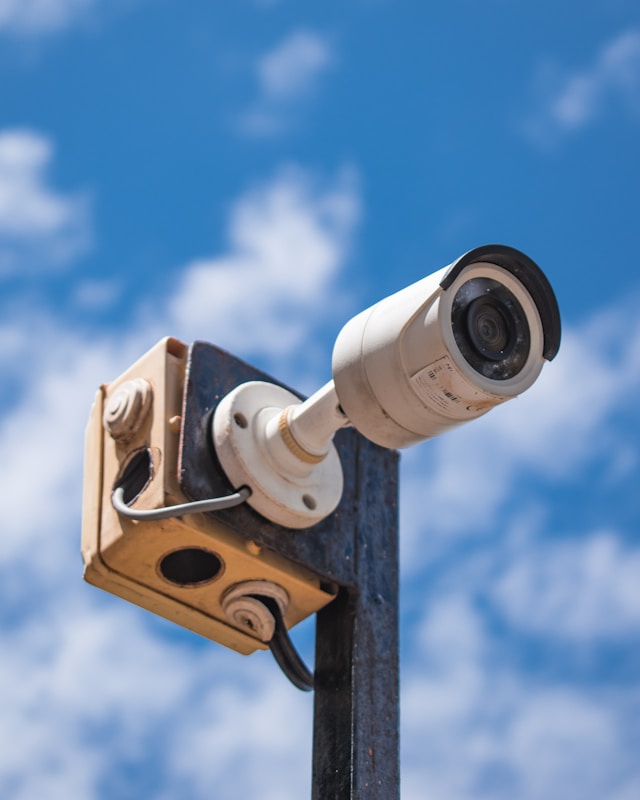
Quick answer: Commercial CCTV security systems protect businesses by deterring crime, reducing theft and fraud, lowering insurance premiums, and providing crucial evidence when incidents occur. Most businesses see a return on investment through prevented losses, reduced shrinkage, and operational insights—often before a single security threat materializes.
Most business owners think of security cameras as a reaction to a problem. Something gets stolen, an employee files a false claim, or a break-in shakes the team—and suddenly CCTV moves to the top of the priority list. But the smartest investments in commercial security happen before any of that.
A well-designed CCTV system does more than record footage. It shapes behavior, streamlines operations, and quietly pays for itself in ways that rarely make the headlines. This post breaks down exactly how commercial CCTV delivers value, what to look for when choosing a system, and how to calculate whether it makes financial sense for your business.
By the end, you’ll understand why forward-thinking companies treat surveillance as a profit-protecting tool rather than an emergency expense—and how to choose a setup that fits your needs and budget.
Why is commercial CCTV a smart business investment?
The strongest case for CCTV isn’t catching criminals. It’s preventing situations that cost you money in the first place.
Visible cameras change how people behave. Employees handle inventory more carefully, customers think twice before shoplifting, and would-be intruders move on to easier targets. This deterrent effect works around the clock, which means you’re protected during hours when no one is watching the monitors.
Consider the range of threats a single system addresses:
- External theft and break-ins that drain inventory and damage property
- Internal theft and fraud, which often costs businesses more than shoplifting
- False liability claims, like staged slip-and-fall incidents
- Workplace disputes that need an objective record to resolve fairly
Each of these can cost thousands of dollars per incident. A camera system that prevents even a handful of them over its lifespan more than covers its installation cost.
How does CCTV actually save businesses money?
CCTV pays off through several channels at once, which is what makes the return so reliable.
Reduced theft and shrinkage
Retail shrinkage—losses from theft, fraud, and error—eats directly into profit margins. Cameras placed near high-value merchandise, point-of-sale stations, and storage areas discourage both customers and staff from taking advantage. When theft does happen, footage helps you identify patterns and close gaps quickly.
Lower insurance premiums
Many insurers offer reduced premiums for businesses with monitored security systems. The logic is simple: a property with surveillance is less likely to file a major claim. Over several years, those savings can offset a meaningful portion of the system’s cost. Ask your provider directly—the discount often surprises business owners.
Fewer fraudulent claims
A customer who slips in your parking lot might have a legitimate claim—or might be staging an incident. Without footage, you’re left defending against the version that costs you the most. With it, you have an objective account that protects you from paying out on false claims and inflated injuries.
Faster dispute resolution
Disagreements between employees, conflicts with customers, and questions about who did what all become far easier to settle when there’s a clear record. That saves management time, reduces legal exposure, and helps maintain a fair workplace.
What operational benefits does CCTV offer beyond security?
This is where many businesses underestimate their return. Modern camera systems double as management tools.
Footage reveals how customers move through your space, which displays draw attention, and where bottlenecks form during busy periods. Retailers use this to optimize layouts and staffing. Restaurants monitor service flow and kitchen efficiency. Warehouses track workflow and spot safety hazards before they cause injuries.
Remote viewing adds another layer of value. With cloud-connected systems, owners and managers can check in on multiple locations from a phone, confirm opening and closing procedures, and respond to alerts in real time. For business owners juggling several sites, that visibility is worth the investment on its own.
What should you look for in a commercial CCTV system?
Not all systems deliver equal value. A few factors separate a worthwhile setup from one that disappoints.
Camera resolution and image quality
Grainy footage is nearly useless when you actually need it. Look for high-definition cameras—1080p at minimum, with 4K options for areas where detail matters, like entrances and cash handling points. Clear images make the difference between identifying someone and shrugging at a blurry shape.
Low-light and night performance
Many incidents happen after hours. Cameras with strong infrared or low-light capability ensure your coverage doesn’t disappear when the sun goes down. Test how a system performs in the conditions it will actually face.
Storage and retrieval
Decide between local storage, cloud storage, or a hybrid approach. Local storage keeps footage on-site and avoids monthly fees, while cloud storage protects recordings even if equipment is damaged or stolen. Hybrid setups offer the best of both. Whatever you choose, confirm how long footage is retained and how easily you can find a specific clip.
Scalability
Choose a system that grows with you. If you plan to expand, add locations, or increase coverage, your provider should make it easy to add cameras without replacing everything you already own.
Remote access and integration
Mobile apps, alerts, and integration with alarms or access control turn a passive camera network into an active security ecosystem. These features add convenience and significantly improve response times.
How much does commercial CCTV cost?
Costs vary widely based on the number of cameras, image quality, storage method, and installation complexity. A small retail shop might need a handful of cameras, while a warehouse or multi-site operation requires a far larger setup.
When budgeting, account for the full picture:
- Hardware: cameras, recorders, cabling, and mounting
- Installation: professional setup, which ensures proper placement and reliability
- Storage: local drives or recurring cloud subscription fees
- Maintenance: occasional servicing, software updates, and eventual upgrades
Rather than focusing only on the upfront price, weigh it against what the system protects. If a single prevented break-in, fraudulent claim, or season of reduced shrinkage covers the cost, the math tends to favor installation.
Who benefits most from commercial CCTV?
Almost every business with a physical location gains something, but a few benefit especially.
Choose a robust, high-resolution system if you operate in retail, hospitality, or any cash-heavy environment where theft risk runs high. The deterrent and evidence value alone justifies the spend.
Prioritize remote access and multi-site features if you manage several locations or travel often. The ability to monitor everything from one app changes how you run the business.
Focus on coverage and storage depth if your industry faces frequent liability claims, such as warehousing, manufacturing, or properties with public foot traffic. Thorough footage is your best defense.
Smaller businesses sometimes assume CCTV is overkill, but a modest system scaled to their needs often delivers the highest relative return—because a single loss hits a small operation hardest.
Making the smart choice before problems start
The best time to install commercial CCTV security is before you need it. Waiting until after a theft, a fraudulent claim, or a break-in means you’ve already absorbed the loss the system was designed to prevent.
Treat surveillance as part of your operational foundation, not an emergency purchase. Start by assessing your highest-risk areas, set a realistic budget that accounts for the full lifecycle, and choose a scalable system from a provider who can support you as you grow. Talk to your insurer about premium discounts, and don’t overlook the operational insights a good system delivers every single day.
A commercial CCTV system protects your inventory, your people, and your bottom line—often paying for itself long before any real threat appears. That’s the rare investment that works hardest when nothing is going wrong.
Frequently asked questions
How long does CCTV footage need to be stored?
Retention needs vary by industry and local regulations, but 30 to 90 days is a common range for most businesses. High-risk operations or those facing potential liability claims may keep footage longer. Check your local laws and insurance requirements, since some industries have specific minimums.
Does CCTV really lower insurance premiums?
In many cases, yes. Insurers often view monitored surveillance as a risk-reducing measure and offer lower premiums in return. The exact discount depends on your provider and the type of system, so ask your insurer directly what qualifies and how much you could save.
Is local or cloud storage better for commercial CCTV?
It depends on your priorities. Local storage avoids monthly fees and keeps footage on-site, but it can be lost if equipment is stolen or damaged. Cloud storage protects recordings off-site and enables remote access, though it usually involves subscription costs. Many businesses choose a hybrid setup to get both benefits.
Can small businesses afford commercial CCTV?
Yes. Systems scale to fit different budgets, and a small business can start with a few well-placed cameras covering its highest-risk areas. Because a single loss often hits smaller operations hardest, even a modest system can deliver a strong return on investment.
What’s the difference between consumer and commercial CCTV?
Commercial CCTV systems are built for reliability, wider coverage, and longer storage, with features like multi-camera management, remote multi-site access, and integration with alarms or access control. Consumer cameras are simpler and cheaper but generally lack the durability, scalability, and support that businesses need.


