

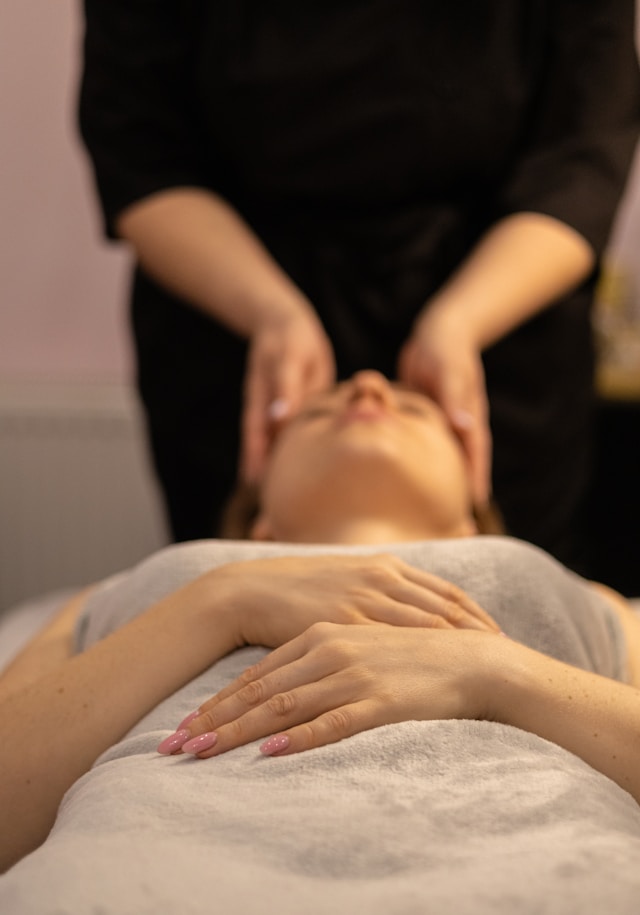
You’ve just settled onto the massage table, and the therapist asks: “Would you like light, medium, or firm pressure?” Most people pause. Some say “firm” because they assume more pressure means more benefit. Others go light to avoid discomfort. But few people actually know what the right answer is—and that uncertainty can be the difference between a deeply therapeutic session and one that leaves you sore for days.
Pressure is the most important variable in any massage treatment Singapore. Get it right, and you walk out feeling looser, lighter, and genuinely restored. Get it wrong, and you risk bruising, muscle damage, or simply not getting the relief you came for. This guide breaks down everything you need to know about massage pressure—from the science behind it to how Singapore’s most popular massage styles approach it—so you can make smarter decisions every time you book a session.
Why Pressure Matters More Than You Think
Massage pressure isn’t just about comfort. It directly determines which tissues are being worked on and what physiological effects are triggered.
Light pressure primarily affects the skin and the superficial fascia—the connective tissue just beneath the skin. At this level, the nervous system responds by activating the parasympathetic response, often called “rest and digest.” This is why gentle massages feel so calming. They lower cortisol, reduce heart rate, and promote a sense of well-being.
Medium pressure reaches the superficial muscle layers and is effective for general relaxation and mild tension relief. It’s the most versatile setting and suits most people for most purposes.
Deep pressure targets the deeper muscle groups and fascia. It’s particularly effective for chronic tension, postural imbalances, and sports recovery. But it requires both skill and consent. Applied incorrectly, deep pressure can cause micro-tears in muscle tissue, temporary bruising, and post-massage soreness that lingers for days.
The key takeaway: more pressure is not inherently better. It’s about matching the pressure to the goal.
The Most Common Mistake People Make
Many people equate pain with effectiveness. If it hurts, it must be working. This belief is widespread—and largely incorrect.
The “good pain” threshold in massage refers to a specific sensation: deep pressure that feels intense but not sharp, uncomfortable but not distressing. Therapists sometimes call this the “therapeutic edge.” You should feel the pressure working, but you should never feel the urge to hold your breath or tense up against it.
If you’re gripping the table, clenching your jaw, or mentally counting down the minutes, the pressure is too high. When muscles perceive pain as a threat, they contract rather than release. You end up fighting the massage rather than benefiting from it.
A good rule of thumb: on a scale of 1 to 10, effective deep tissue pressure should sit around a 6 or 7. Anything above that is likely counterproductive.
Massage Pressure Across Singapore’s Most Popular Styles
Singapore has a rich and diverse massage culture, shaped by Chinese, Malay, Indian, Thai, and Western influences. Each tradition has its own philosophy around pressure—and understanding those differences helps you choose the right treatment.
Traditional Chinese Tui Na
Tui Na is a form of Chinese therapeutic massage that uses rhythmic compression, kneading, and acupressure along the body’s meridian pathways. Pressure in Tui Na is firm and targeted. The goal is to stimulate qi (energy flow) and address specific health complaints, from digestive issues to musculoskeletal pain.
Because Tui Na is results-oriented, therapists may apply significant pressure to acupressure points. Expect some intensity—particularly around the shoulders, neck, and lower back.
Thai Massage
Traditional Thai massage combines compression, passive stretching, and joint mobilization. It’s performed on a mat, fully clothed, and uses the therapist’s body weight rather than lubricants. Pressure is applied with palms, thumbs, elbows, and even knees and feet.
Thai massage pressure can range from moderate to very firm depending on the therapist and the style. The stretching component adds another dimension: even moderate pressure can feel intense when combined with a deep stretch.
Swedish Massage
Swedish massage is the Western standard for relaxation. Long, flowing strokes (effleurage) are combined with kneading (petrissage) and light tapotement to stimulate circulation and ease muscle tension.
Pressure in Swedish massage is typically light to medium. It’s an excellent starting point if you’re new to massage or recovering from an illness, and it remains one of the most popular options in Singapore’s hotel spas and wellness centers.
Sports and Deep Tissue Massage
These two styles are often grouped together because both involve firm, focused pressure on specific muscle groups. Deep tissue massage uses slow strokes and sustained pressure to reach the deeper layers of muscle and fascia. Sports massage incorporates elements of stretching and may be applied pre- or post-exercise.
Both styles are genuinely beneficial for active individuals, desk workers with chronic tension, and anyone dealing with persistent muscle tightness. However, they require a skilled, experienced therapist. Poorly executed deep tissue work is one of the most common causes of post-massage soreness.
Indian Head Massage (Champissage)
Rooted in Ayurvedic tradition, this style focuses on the scalp, neck, shoulders, and upper back. Pressure varies throughout the session—rhythmic kneading on the scalp, firmer work on the shoulders, and gentle strokes around the temples and forehead.
It’s an underrated option for people who carry stress in their upper body or experience frequent tension headaches.
How Your Body Type and Health History Affect Pressure
Pressure is never one-size-fits-all. Several individual factors determine what’s appropriate.
Body composition: People with denser muscle tissue can typically tolerate and benefit from higher pressure than those with less muscle mass. This is why the same “deep tissue” session can feel very different to a regular gym-goer versus someone who’s largely sedentary.
Age: Older adults generally have more fragile connective tissue and may bruise more easily under deep pressure. A skilled therapist adjusts accordingly.
Health conditions: Certain conditions require modified pressure or contraindicate massage entirely. These include osteoporosis, deep vein thrombosis, active inflammation, skin infections, and recent surgery. Always disclose relevant medical history before your session.
Stress and nervous system state: Chronic stress makes the nervous system hypervigilant. People in this state often find deep pressure overwhelming, even if they intellectually want it. Starting with lighter pressure and gradually increasing is frequently more effective than going straight in firm.
Hydration: Dehydrated muscles are less pliable and more prone to soreness after deep pressure work. Drinking water before and after a massage isn’t just advice—it genuinely affects tissue response.
How to Communicate With Your Therapist
Most people say nothing during a massage. They endure pressure they dislike, lie there confused about whether what they’re feeling is normal, and then give vague feedback at the end. This is a missed opportunity.
Your therapist wants feedback. Without it, they’re essentially guessing. Here’s how to make the conversation easier:
- Before the session: Describe your goal. Relaxation? Tension relief in a specific area? Recovery from exercise? The more specific you are, the more targeted the treatment can be.
- During the session: If something feels too intense, say so immediately. “Can you go a bit lighter on my shoulder?” is not rude—it’s useful. Equally, if you’d like more pressure somewhere, ask for it.
- After the session: Note how your body responds in the 24 hours following. Some tenderness is normal after deep tissue work. Significant pain, bruising, or lasting discomfort is a sign the pressure was too high for your tissue to handle.
Building this kind of feedback loop with a regular therapist makes each subsequent session more effective.
What to Expect After Your Massage
Mild soreness after a deep tissue or sports massage is common and typically peaks 24 to 48 hours post-session—similar to delayed onset muscle soreness (DOMS) after exercise. It usually resolves within two to three days.
Warmth, redness, and slight tenderness in worked areas are all normal. What’s not normal: sharp pain, numbness, tingling, or bruising that persists beyond a few days.
To support recovery:
- Drink plenty of water
- Avoid intense exercise for 24 hours after a deep tissue session
- Apply a warm compress to sore areas if needed
- Rest
If you experience persistent pain or unusual symptoms, consult a healthcare provider before booking another session.
Finding the Right Pressure for You
There’s no universal answer to how much pressure is enough. The right amount depends on your goals, your body, your current health, and the specific style of massage you’re receiving.
What’s clear is this: pressure should serve you, not challenge you. A massage that leaves you tense, bruised, or in pain hasn’t done its job—regardless of how “intense” it felt at the time. The best sessions are ones where you finish feeling genuinely better: looser, calmer, and more comfortable in your body.
Start by identifying your goal. Talk to your therapist. Give honest feedback during the session. And pay attention to how your body responds afterward. Over time, you’ll develop a clear sense of exactly what works for you—and that knowledge is worth far more than any single session.
Singapore’s massage landscape is broad and well-developed, with options ranging from traditional healing modalities to modern sports recovery clinics. With the right information, you’re well-placed to find the treatment—and the pressure—that genuinely delivers.


