

China’s culinary landscape continues to evolve at a breathtaking pace, blending time-honored traditions with innovative techniques that captivate food enthusiasts worldwide. As we step into 2025, the country’s diverse regional cuisines offer an incredible array of flavors, textures, and experiences that extend far beyond the familiar dishes found in Western Chinese restaurants.
From the fiery depths of Sichuan’s numbing spices to the delicate artistry of Cantonese dim sum, Chinese cuisine represents one of the world’s most sophisticated and varied food cultures. Each of China’s eight major culinary traditions—Shandong, Sichuan, Guangdong, Fujian, Jiangsu, Zhejiang, Hunan, and Anhui—brings unique ingredients, cooking methods, and flavor profiles that reflect centuries of cultural development and regional identity.
Whether you’re planning a culinary adventure to China or seeking to expand your palate at authentic Chinese restaurants like Chong Qing Grilled Fish worldwide, understanding these diverse food traditions will enhance your dining experiences. This comprehensive guide explores the must-try dishes that define Chinese cuisine, from street food favorites to elaborate banquet specialties that showcase the depth and complexity of this remarkable culinary heritage.
Sichuan Cuisine: The Art of Numbing Heat
Sichuan province has gained international recognition for its bold, complex flavors that dance between spicy heat and tongue-numbing sensations. The region’s signature ingredient, Sichuan peppercorns, creates a unique tingling sensation called “málà” that distinguishes authentic Sichuan dishes from mere spicy food.
Mapo Tofu
This iconic dish combines silky tofu cubes with ground pork or beef in a rich, spicy sauce made from fermented bean paste, chili oil, and Sichuan peppercorns. The contrast between the soft tofu and the intensely flavored sauce creates a harmonious balance that exemplifies Sichuan cooking philosophy.
Hot Pot (Huǒguō)
Sichuan hot pot represents more than just a meal—it’s a social experience that brings people together around a bubbling cauldron of spiced broth. The traditional red broth features dried chilies, Sichuan peppercorns, and aromatic spices that infuse raw ingredients with intense flavor as they cook at the table.
Kung Pao Chicken
While many Western versions pale in comparison, authentic Kung Pao chicken showcases the perfect balance of sweet, sour, and spicy flavors with tender chicken pieces, roasted peanuts, and dried chilies tossed in a glossy sauce.
Cantonese Cuisine: Refined Elegance
Guangdong province, home to Canton (now Guangzhou), has given the world some of its most recognizable Chinese dishes. Cantonese cuisine emphasizes fresh ingredients, subtle flavors, and masterful cooking techniques that preserve the natural essence of each component.
Dim Sum
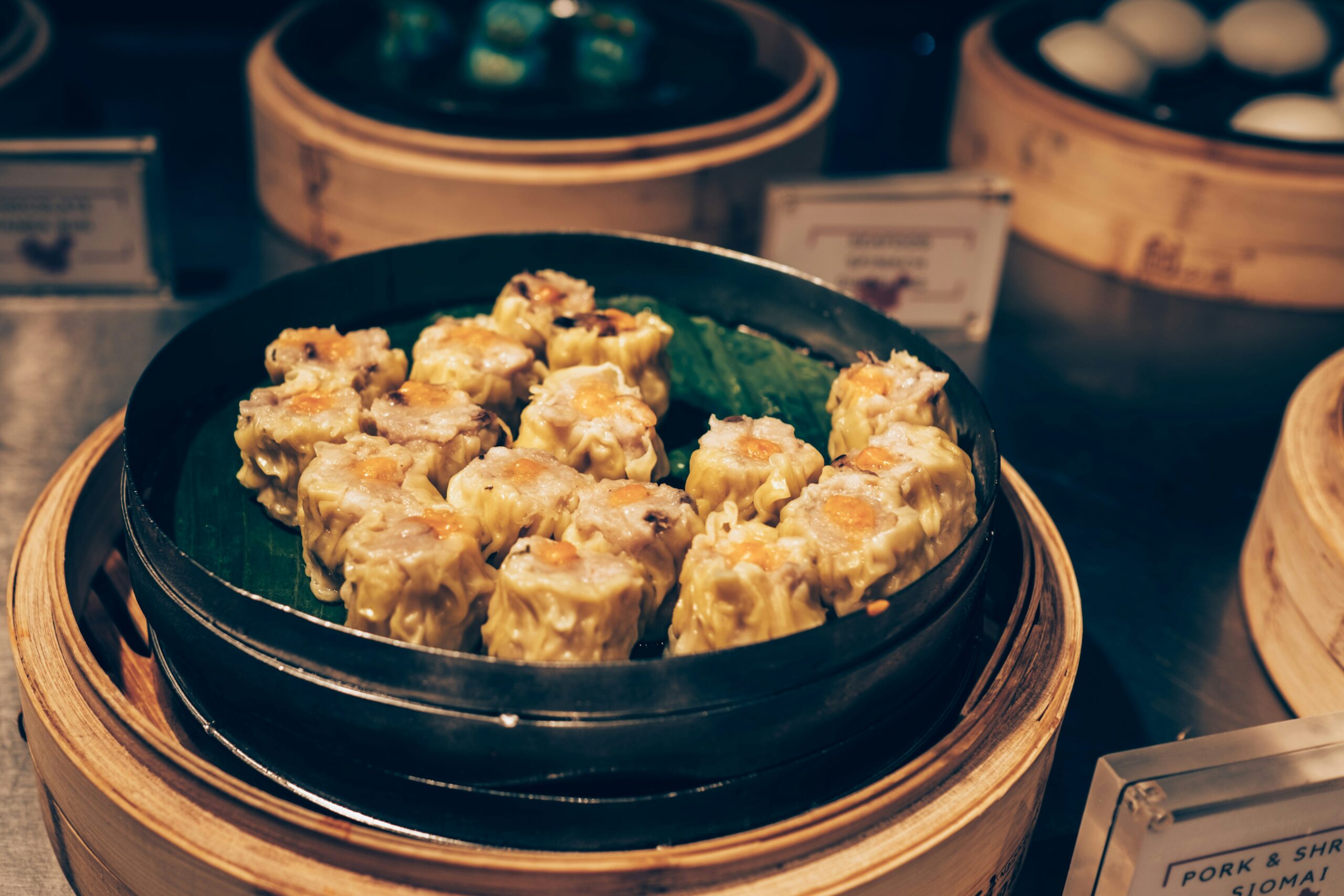
These “little hearts” represent the pinnacle of Cantonese culinary artistry. From delicate har gow (shrimp dumplings) with translucent wrappers to fluffy char siu bao (barbecue pork buns), dim sum showcases incredible technical skill and creativity in bite-sized portions.
Char Siu
This Cantonese barbecue pork features tender meat glazed with honey, soy sauce, and five-spice powder, creating a perfect balance of sweet and savory flavors with an irresistible caramelized exterior.
Wonton Noodle Soup
Silky egg noodles swim in clear, aromatic broth alongside delicate wontons filled with shrimp and pork. This seemingly simple dish requires masterful technique to achieve the perfect texture in both noodles and dumplings.
Beijing Cuisine: Imperial Grandeur
As China’s capital for centuries, Beijing developed a sophisticated cuisine that reflects both imperial palace traditions and hearty northern Chinese flavors. The city’s signature dishes often feature wheat-based ingredients and rich, savory sauces.
Peking Duck
This ceremonial dish represents the height of Beijing culinary tradition. The duck is roasted until the skin becomes perfectly crispy while the meat remains succulent, then served with thin pancakes, scallions, cucumber, and sweet bean sauce.
Zhajiangmian
These thick wheat noodles topped with fermented soybean paste, ground pork, and fresh vegetables create a satisfying comfort food that exemplifies Beijing’s hearty northern cuisine style.
Mongolian Hot Pot
Unlike Sichuan hot pot, Beijing’s version features a clear, mild broth that allows the natural flavors of premium ingredients like thinly sliced lamb and fresh vegetables to shine through.
Jiangnan Cuisine: Subtle Sophistication
The Jiangnan region, encompassing areas around the Yangtze River Delta, produces cuisine known for its delicate flavors, beautiful presentation, and emphasis on seasonal ingredients.
Xiaolongbao
These soup dumplings from Shanghai contain hot, flavorful broth within thin dough wrappers alongside seasoned pork filling. Eating xiaolongbao requires technique to avoid burning your tongue while savoring the burst of soup.
Sweet and Sour Mandarin Fish
This Jiangsu specialty features whole fish carved and fried to resemble a squirrel, then topped with a vibrant sweet and sour sauce that balances tangy vinegar with sugar and aromatics.
Beggar’s Chicken
This famous dish involves stuffing a whole chicken with rice, mushrooms, and Chinese sausage, wrapping it in lotus leaves and clay, then baking it slowly until incredibly tender.
Hunan Cuisine: Pure Heat
Hunan province produces some of China’s spiciest cuisine, using fresh chilies rather than the numbing peppercorns favored in Sichuan cooking. The heat is direct and intense, complemented by bold, rustic flavors.
Chairman Mao’s Red-Braised Pork
This hearty dish features chunks of pork belly braised in soy sauce, rice wine, and rock sugar until the meat becomes meltingly tender and the sauce turns glossy and rich.
Stinky Tofu
Despite its pungent aroma, this fermented tofu develops complex, cheese-like flavors when properly prepared. Street vendors throughout Hunan serve it deep-fried with spicy sauce.
Steamed Fish Head with Diced Hot Red Peppers
This dramatic presentation features a large fish head covered in chopped chilies and steamed until the flesh becomes silky and infused with spicy heat.
Street Food Sensations
China’s street food culture offers incredible diversity and represents some of the most authentic flavors you’ll encounter.
Jianbing
These savory crepes start with a thin batter spread on a griddle, topped with egg, scallions, cilantro, and crispy wontons, then folded with sweet bean sauce and chili paste.
Roujiamo
Often called “Chinese hamburgers,” these sandwiches feature tender, slow-cooked pork stuffed into freshly baked flatbread with aromatic spices.
Tanghulu
These candied fruit skewers coat fresh hawthorn berries or other fruits in hard sugar candy, creating a perfect balance of tart fruit and sweet coating.
Regional Specialties Worth Seeking
Xinjiang Cuisine
This western region’s cuisine reflects Central Asian influences with dishes like hand-pulled noodles (lamian) and grilled lamb skewers seasoned with cumin and chili.
Yunnan Cuisine
Known for its use of flowers, herbs, and mushrooms, Yunnan cuisine offers unique dishes like crossing-the-bridge rice noodles and steamed pot chicken.
Taiwanese Specialties
Night market favorites include beef noodle soup, gua bao (pork belly buns), and bubble tea, which has become a global phenomenon.
Planning Your Culinary Adventure
When exploring Chinese cuisine, consider starting with milder regional specialties before progressing to spicier dishes. Many authentic Chinese restaurants offer regional menus that showcase specific culinary traditions, allowing you to experience the true depth of Chinese cooking.
Look for restaurants that cater to Chinese clientele, as they’re more likely to serve authentic preparations. Don’t hesitate to ask servers for recommendations or explanations of unfamiliar dishes—most are happy to share their knowledge about traditional preparations.
Your Journey Through China’s Culinary Landscape
Chinese cuisine offers an endless journey of discovery, with each region contributing unique flavors, techniques, and cultural traditions to this incredible culinary tapestry. From the complex spice blends of Sichuan to the delicate artistry of Cantonese cooking, every dish tells a story of history, geography, and cultural identity.
Start your exploration with dishes that appeal to your current taste preferences, then gradually expand your palate to appreciate more challenging flavors and textures. Remember that authentic Chinese cuisine often differs significantly from Western adaptations, offering opportunities to discover entirely new flavor combinations and cooking techniques.
Whether you’re dining in China’s bustling cities or seeking authentic experiences closer to home, this guide provides a foundation for understanding and appreciating one of the world’s greatest culinary traditions. Each meal becomes an opportunity to connect with centuries of culinary wisdom and cultural heritage.


