

Quick answer: Traditional Chinese restaurants foster community and connection through family-style dining, shared dishes, and rich cultural traditions. Features like round tables and rotating Lazy Susans encourage constant interaction, making these dining establishments the perfect venues for group celebrations, family gatherings, and building meaningful relationships over authentic regional meals.
Dining out is often seen simply as a way to satisfy hunger or try a new culinary trend. Yet, traditional Chinese restaurants offer something fundamentally different. These establishments serve as cultural hubs that prioritize human connection, community, and shared experiences. The very architecture of a traditional Chinese meal forces diners to engage with one another, share resources, and participate in a collective event.
The history of Chinese dining revolves heavily around the concept of unity. Food is rarely portioned for the individual. Instead, chefs prepare large, communal plates intended for the center of the table. This approach breaks down the barriers of individual ownership over a meal. Diners must communicate, pass plates, and consider the preferences of their companions before taking the last dumpling or the best piece of Peking duck.
As modern dining trends lean toward fast-casual individual bowls and digital ordering kiosks, the traditional Chinese restaurant remains a steadfast protector of the communal feast. People still flock to these dining rooms for birthdays, lunar new year celebrations, and Sunday morning gatherings. The appeal lies deeply in the environment these restaurants cultivate. The focus remains on the people around the table just as much as the food on the plates.
What makes family-style dining essential to Chinese culture?
Family-style dining sits at the core of traditional Chinese culinary culture. When a group sits down at a traditional Chinese restaurant, the waiter does not hand out menus with the expectation that everyone will order their own standalone entrée. The group must collaborate. Diners discuss their preferences, balance the types of proteins, ensure a mix of vegetables, and decide on the staples like rice and noodles.
This collaborative ordering process builds consensus. The act of sharing food signifies trust and equality among the group. When the dishes arrive, they are placed in the center of the table. Everyone reaches into the same platters. This shared physical experience translates to a shared emotional experience. It reinforces the idea that the group’s needs supersede the individual’s cravings.
Furthermore, family-style dining allows diners to experience a much wider variety of flavors. A group of six people can easily sample eight to ten different regional Chinese dishes. This variety highlights the complexity of Chinese cuisine, offering a balance of sweet, sour, bitter, spicy, and salty flavors throughout a single meal.
How do round tables and the Lazy Susan encourage conversation?
The physical layout of traditional Chinese restaurants like Spring Court intentionally promotes social interaction. The most iconic feature of these dining rooms is the large, round table. Unlike long, rectangular banquet tables where diners can only easily speak to the people immediately next to them or directly across, a round table provides a line of sight to everyone.
Why is the round table design significant?
A round table eliminates the concept of the “head of the table.” While there are still traditional seating arrangements based on respect for elders or honored guests, the physical circle promotes a sense of equality. Every person faces the center. Every person is included in the overarching conversation. No one is left stranded at the far end of a long table.
What role does the Lazy Susan play in modern Chinese dining?
The Lazy Susan—a rotating circular tray placed in the center of the table—revolutionized the family-style dining experience. Invented to make sharing easier, the Lazy Susan eliminates the need to constantly pass heavy, hot plates across the table.
Diners simply rotate the tray to access different dishes. This mechanism requires cooperation. A diner must look around to ensure no one else is currently serving themselves before spinning the tray. This constant, subtle awareness of others fosters a polite, considerate dining atmosphere. It also provides a natural rhythm to the meal, keeping the food and the conversation flowing seamlessly.
Why are specific foods served during Chinese celebrations?
Traditional Chinese restaurants are the default venues for major life events and holidays, particularly the Lunar New Year, weddings, and milestone birthdays. The food served during these celebrations is never chosen randomly. Chinese culinary tradition assigns deep symbolic meaning to various ingredients and preparations.
How do noodles and dumplings symbolize prosperity and longevity?
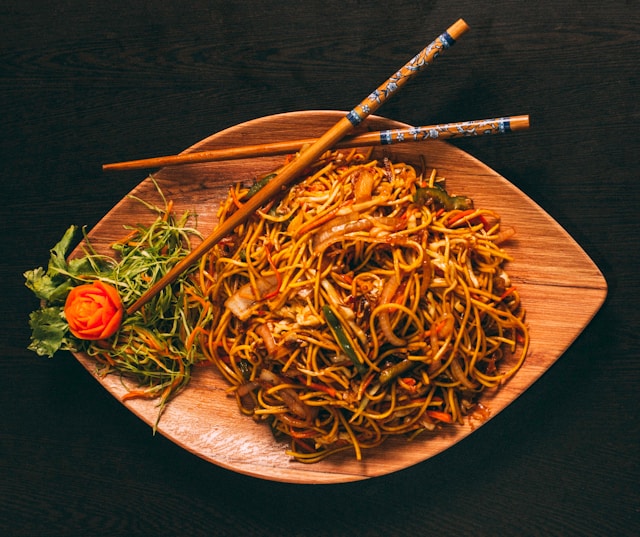
Noodles are a staple of Chinese birthday celebrations. Specifically, chefs prepare “longevity noodles,” which are exceptionally long and served uncut. The length of the noodle represents a long, healthy life for the birthday celebrant. Diners must carefully slurp the noodles without breaking them to ensure good fortune.
Dumplings, particularly those shaped like ancient Chinese gold ingots, are heavily featured during the Lunar New Year. Eating these dumplings symbolizes taking in wealth and prosperity for the coming year. Families and friends gather at traditional Chinese restaurants to share these symbolic foods, actively participating in cultural wishes for success and health.
What is the significance of a whole fish in Chinese banquets?
At almost every traditional Chinese banquet, a whole fish is served toward the end of the meal. The Chinese word for fish, “yu,” sounds exactly like the Chinese word for surplus or abundance. Serving the fish whole—with the head and tail intact—symbolizes a good beginning and a good end to the year or the marriage. The dish is a edible blessing for continuous prosperity, and sharing it reinforces the group’s collective hopes for the future.
What are the key elements of a traditional Dim Sum experience?
Dim Sum, often enjoyed during the morning or early afternoon, represents another highly communal form of traditional Chinese dining. Originating in the teahouses of Guangzhou, Dim Sum is intrinsically linked to the practice of “Yum Cha,” which translates to “drinking tea.”
How does the cart system foster a bustling community atmosphere?
In many traditional Dim Sum restaurants, waiters push heated carts through the dining room. These carts are stacked high with bamboo steamer baskets containing dumplings, buns, and rolls. Diners flag down the carts as they pass, selecting dishes on a whim.
This cart system creates a lively, bustling, and interactive environment. The dining room fills with the sounds of clanking teacups, the calls of the cart pushers, and the chatter of large families. It is a highly sensory experience that breaks the mold of quiet, reserved dining, encouraging a vibrant community atmosphere.
What is the etiquette for pouring tea during Yum Cha?
Tea is the focal point of the Dim Sum experience. Traditional etiquette dictates that a diner should never pour tea only for themselves. When a diner picks up the teapot, they must pour tea for everyone else at the table before filling their own cup.
When someone receives tea, they traditionally tap their index and middle fingers on the table. This gesture serves as a silent “thank you,” allowing the conversation to continue uninterrupted while acknowledging the act of service. These small, ingrained acts of consideration build a foundation of mutual respect throughout the meal.
How do traditional Chinese restaurants compete with modern dining trends?
The restaurant industry constantly evolves. Fast-casual concepts, ghost kitchens, and hyper-modern fusion restaurants dominate contemporary culinary media. Yet, traditional Chinese restaurants maintain a fiercely loyal customer base.
They compete not by chasing the latest digital trends, but by offering an experience that cannot be replicated in a to-go box. Traditional Chinese restaurants provide an anchor to heritage for immigrant families and a welcoming space for anyone seeking a genuine communal experience. The value lies in the slow, deliberate act of gathering. While modern dining prioritizes speed and convenience, traditional Chinese dining prioritizes the event of eating together.
Choose the right traditional Chinese restaurant for your next gathering
When deciding to host a meal, selecting the right environment is crucial. Traditional Chinese restaurants are ideal for specific scenarios, while other dining styles might suit different needs.
Choose a traditional Chinese restaurant with large round tables if you are hosting a group of six or more people. The family-style menu and Lazy Susan setup will make feeding a large group much easier and significantly more interactive.
Choose a modern, individual-plated restaurant if you are hosting a formal business meeting where sharing food might feel inappropriate, or if you are on a highly intimate first date where negotiating a large communal menu might prove overwhelming.
Plan your next family-style feast
Traditional Chinese restaurants offer far more than just exceptional food. They offer a masterclass in community building. Through shared plates, symbolic dishes, and intentional furniture design, these establishments create an environment where conversation thrives and relationships deepen.
The next time you want to bring friends, family, or colleagues together, skip the individual menus. Book a large round table at your local traditional Chinese restaurant. Order a diverse array of dishes, spin the Lazy Susan, and experience the timeless joy of a truly shared meal.
Frequently Asked Questions About Traditional Chinese Dining
How do you order food for a large group at a Chinese restaurant?
When ordering for a large group at a traditional Chinese restaurant, aim for a balance of flavors and ingredients. A good rule of thumb is to order one dish per person, plus one staple like rice or noodles. Ensure you select a mix of poultry, pork, beef, seafood, and vegetable dishes to provide variety and accommodate different tastes.
What is the etiquette for pouring tea during a Chinese meal?
The primary rule of Chinese tea etiquette is to always pour for others before pouring for yourself. Start with the oldest or most respected person at the table. When someone pours tea for you, tap your index and middle fingers lightly on the table to express silent gratitude without interrupting the ongoing conversation.
Are traditional Chinese restaurants suitable for dietary restrictions?
Yes, traditional Chinese restaurants are highly adaptable to dietary restrictions. Chinese cuisine features a vast array of naturally vegetarian and vegan dishes, heavily utilizing tofu, mushrooms, and leafy greens. However, diners with severe gluten or soy allergies must communicate clearly with the staff, as soy sauce is a foundational ingredient in many traditional recipes.
What is the difference between Dim Sum and a traditional Chinese banquet?
Dim Sum is a daytime dining experience consisting of small, bite-sized dishes served alongside tea, often in a bustling, casual environment. A traditional Chinese banquet is an elaborate, formal evening dinner consisting of eight to ten large courses, typically reserved for major celebrations like weddings, anniversaries, and the Lunar New Year.
How do you appropriately use chopsticks when eating family-style?
When eating family-style, use the provided serving spoons or communal chopsticks to transfer food from the central plates to your individual bowl. If communal utensils are not provided, use the reverse ends (the thick, non-eating ends) of your personal chopsticks to move the food. Never stick your chopsticks vertically into a bowl of rice, as this resembles incense offered to the dead.


