

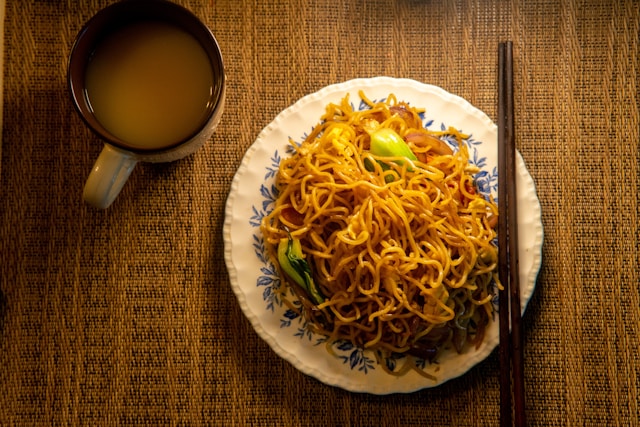
Organizing an event requires careful attention to detail, and selecting the perfect venue is often the most critical step. Chinese restaurants offer a unique and highly social dining experience that naturally lends itself to celebrations, corporate gatherings, and large family reunions. The communal nature of the cuisine encourages conversation and connection among guests.
However, not all venues are created equal. Finding a location that seamlessly aligns with your specific event needs requires more than simply checking online reviews. You need to evaluate the menu flexibility, spatial layout, service style, and hidden logistical factors that could impact the guest experience.
Choosing the right establishment ensures your guests leave satisfied and your event runs smoothly from the first appetizer to the final fortune cookie. This guide breaks down exactly what you need to prioritize when booking a Chinese restaurant for your next big occasion.
Assessing the Menu and Dietary Flexibility
The food is the centerpiece of any event held at a Chinese restaurant. It is essential to understand exactly what the kitchen can deliver and how they handle special requests.
Authentic vs. Americanized Cuisine
Chinese cuisine is incredibly diverse, encompassing regions like Sichuan, Guangdong (Cantonese), Hunan, and Beijing. Determine the culinary style of the restaurant and ensure it matches the preferences of your guests. Some establishments focus on highly traditional, regional dishes featuring bold spices and unique ingredients. Others offer a more Americanized menu with familiar staples like sweet and sour pork or General Tso’s chicken. Ask the head chef or event coordinator for sample banquet menus to gauge the authenticity and style of their offerings.
Accommodating Allergies and Dietary Needs
Modern event planning at Spring Court requires strict attention to dietary restrictions. Chinese cooking frequently uses soy sauce (which contains gluten), peanut oil, shellfish, and MSG. Have a direct conversation with the restaurant management about how they handle cross-contamination and allergy requests. A high-quality venue will readily offer gluten-free soy sauce alternatives, vegetarian or vegan banquet courses, and clear protocols for nut allergies. Securing these guarantees in writing will give you peace of mind on the day of the event.
Evaluating the Venue Space and Layout
A spectacular menu can easily be overshadowed if the physical space does not suit your gathering. The layout dictates the flow of the event and the comfort of your attendees.
Private Dining Rooms and Capacity
Many traditional Chinese restaurants feature private dining rooms equipped with large round tables and lazy Susans. These rooms are ideal for intimate family gatherings or confidential corporate dinners. When touring the venue, ask about the maximum capacity of their private spaces. Ensure there is ample room for guests to push back their chairs and mingle. If your event requires the entire restaurant, discuss buyout options and floor plan flexibility.
Ambiance and Decor
The atmosphere sets the tone for your event. Some venues boast modern, minimalist aesthetics, while others feature ornate traditional decor with dragon motifs, red lanterns, and gold accents. Consider the nature of your event. A corporate luncheon might benefit from a quiet, brightly lit space, whereas a festive birthday celebration might thrive in a highly decorated, vibrant dining room. Pay attention to the acoustics as well; spaces with high ceilings and hard floors can become incredibly noisy when full.
Understanding Service Style and Banquet Options
The way food is served drastically alters the pacing and social dynamics of your event. Chinese restaurants excel at communal dining, but you need to coordinate the exact service style in advance.
Family-Style vs. Individual Plating
The most popular service style for this cuisine is family-style, where large platters are placed in the center of the table for guests to share. This encourages interaction and creates a warm, communal atmosphere. If you are hosting a formal corporate event, you might prefer individual plating. Discuss this with the restaurant beforehand, as individual plating requires more serving staff and alters the pacing of the meal.
Custom Banquet Menus
For parties of ten or more, restaurants often recommend set banquet menus. These typically include a progression of courses: cold appetizers, a soup, several hot meat and vegetable dishes, a rice or noodle course, and a sweet dessert. Work with the chef to customize this progression. A well-designed banquet menu balances heavy and light dishes, incorporates a variety of proteins, and includes visually impressive centerpiece items like Peking duck or a whole steamed fish.
Checking Logistics and Amenities
Even the most beautiful restaurant with the most delicious food can cause headaches if the basic logistics fail. Pay attention to the practical elements of the venue.
Parking and Accessibility
Consider how your guests will arrive at the restaurant. If the venue is located in a busy downtown area or a crowded Chinatown district, parking can be a major stressor. Ask if the restaurant offers valet service, dedicated parking lots, or validations for nearby garages. Additionally, verify that the entrance, restrooms, and dining areas are fully wheelchair accessible to accommodate all your attendees comfortably.
Audio-Visual Equipment for Presentations
If you are hosting a corporate meeting, a rehearsal dinner with speeches, or a milestone birthday that includes a slideshow, audio-visual capabilities are crucial. Check if the private dining rooms are equipped with screens, projectors, and microphones. Test the equipment during your venue tour to ensure it is compatible with your devices and that the Wi-Fi connection is stable.
Budgeting and Contract Details
Financial surprises can quickly ruin the memory of a successful event. Clear communication regarding costs and contractual obligations is non-negotiable.
Hidden Costs to Watch Out For
When reviewing the pricing, look beyond the per-person food cost. Inquire about additional fees for room rentals, cake-cutting services, corkage fees if you bring your own alcohol, and mandatory gratuities. Some restaurants require a minimum spend to reserve a private room on a weekend. Request an itemized estimate that includes all taxes and service charges so you can accurately manage your budget.
Cancellation Policies
Unexpected circumstances can force you to alter or cancel your event. Carefully review the restaurant’s cancellation policy before signing a contract or paying a deposit. Understand the timeline for final headcounts, the penalties for dropping numbers at the last minute, and the conditions under which you can receive a full or partial refund of your deposit.
Frequently Asked Questions
How far in advance should I book a Chinese restaurant for a large event?
For standard weekends, aim to book at least two to three months in advance. If your event falls around a major cultural holiday, such as the Lunar New Year or the Mid-Autumn Festival, you should secure your venue six to eight months ahead of time, as these spaces book up incredibly fast.
What is a lazy Susan, and why is it important?
A lazy Susan is a rotating circular tray placed in the center of a large dining table. It is a staple in Chinese banquet dining, allowing guests to easily share and access multiple dishes without constantly passing heavy platters across the table.
Can we bring our own alcohol to the restaurant?
This depends entirely on the restaurant’s liquor license and individual policies. Many establishments allow you to bring your own wine or liquor but will charge a corkage fee per bottle. Always confirm this in writing before the event.
How do I handle vegetarian guests at a traditional Chinese banquet?
Most Chinese restaurants are highly capable of creating delicious vegetarian options, such as braised tofu, stir-fried water spinach, and vegetable dumplings. You can request a separate, individually plated vegetarian meal for specific guests, or you can integrate several robust vegetarian dishes into the shared family-style menu.
Ready to Host an Unforgettable Feast?
Booking the right Chinese restaurant for your event involves balancing culinary authenticity, spatial logistics, and budget constraints. By prioritizing clear communication with the venue management and asking the right questions about menus and service styles, you can create a seamless experience. Focus on the details early in the planning process so that when the day arrives, you can simply sit back, spin the lazy Susan, and enjoy an incredible meal with your guests.


