

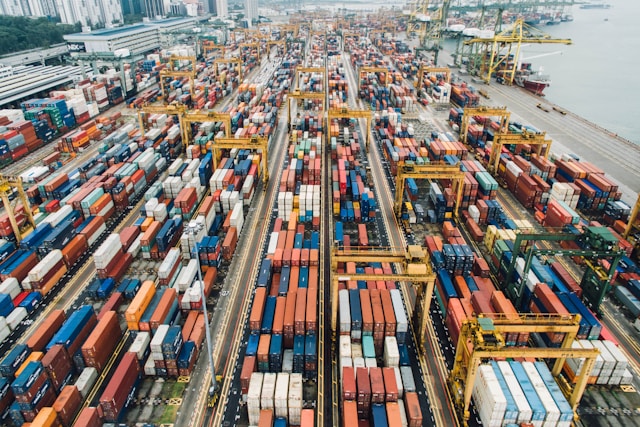
Global supply chains are undergoing a massive realignment. Business leaders spent the last few decades consolidating their manufacturing operations in single geographic locations to minimize costs. Recent global disruptions have exposed the vulnerabilities of this approach. Companies are now actively seeking to diversify their production networks to build resilience and maintain consistent export capabilities.
Vietnam has rapidly emerged as a primary destination for this shifting capital. The country offers a compelling mix of strategic geographic positioning, favorable trade policies, and a young, capable workforce. Multinational corporations and mid-sized enterprises alike are setting up facilities across the country, transforming it into a global manufacturing powerhouse.
However, moving or expanding production overseas requires significant capital and strategic planning. Assessing market readiness, understanding local infrastructure, and evaluating potential bottlenecks are crucial steps for any business considering this move.
This guide examines the current landscape of Vietnam’s export manufacturing sector. We will explore the primary advantages of operating in the country, identify the challenges foreign investors face, and evaluate whether current economic conditions make this the right moment to establish a manufacturing presence.
The Shift in Global Supply Chain Strategies
The movement of manufacturing capacity into Southeast Asia is not a sudden phenomenon. It is the result of long-term strategic shifts by global corporations aiming to balance cost efficiency with operational security.
The China Plus One Approach
For years, companies have relied heavily on a single country for the bulk of their manufacturing needs. Rising labor costs and shifting geopolitical dynamics have prompted a change in strategy. The “China Plus One” model involves maintaining existing operations in primary hubs while building new capacity in alternative markets. Vietnam has become a leading beneficiary of this strategy. Its proximity to major Asian supply routes allows companies to integrate new Vietnamese factories into their existing regional supply chains smoothly.
Prioritizing Operational Resilience
Supply chain resilience is now a board-level priority. Relying on a concentrated production base leaves companies exposed to regional economic shocks, shipping delays, or policy changes. By establishing export manufacturing facilities in Vietnam, businesses can distribute their operational risk. This diversification ensures that if one region experiences downtime, production can continue elsewhere, protecting revenue streams and maintaining customer trust.
Why Vietnam Attracts Foreign Investment
Several structural and economic factors make Vietnam an attractive environment for export-oriented manufacturing. The government has proactively implemented policies to draw foreign direct investment (FDI) and integrate the country into the global economy.
Favorable Free Trade Agreements
Vietnam’s integration into global trade networks is a massive advantage for export manufacturers. The country is a signatory to several major free trade agreements (FTAs), including the Comprehensive and Progressive Agreement for Trans-Pacific Partnership (CPTPP) and the European Union-Vietnam Free Trade Agreement (EVFTA). These agreements significantly reduce or eliminate tariffs on goods exported from Vietnam to key markets in Europe, North America, and across the Asia-Pacific region. This tariff advantage allows manufacturers to price their goods more competitively on the global stage.
Strategic Geographic Location
Situated on the eastern edge of the Indochinese Peninsula, Vietnam boasts an extensive coastline along the South China Sea. This location provides direct access to some of the world’s busiest shipping lanes. Major ports in Hai Phong in the north and Ho Chi Minh City in the south facilitate the efficient export of finished goods to international markets. Furthermore, the country’s shared land border with major regional material suppliers allows for the rapid overland transport of essential manufacturing inputs.
A Competitive and Evolving Workforce
Vietnam features a demographic dividend, with a large percentage of its population of working age. Historically, the country attracted investment based purely on low labor costs. While wages remain highly competitive compared to developed economies, the focus is shifting toward skill development. The government is investing in vocational training and technical education to support higher-value manufacturing sectors. This means companies can find workers capable of handling complex assembly processes, not just basic manual labor.
Key Sectors Driving Export Manufacturing
Foreign investment in Vietnam export manufacturing is not limited to a single industry. Several distinct sectors have developed robust ecosystems within the country, supported by specialized industrial zones and supply networks.
Electronics and Technology Assembly
The electronics sector is a major driver of Vietnam’s export economy. Global technology giants have established massive assembly plants in the country, producing everything from smartphones and tablets to computer monitors and home appliances. This influx of top-tier companies has encouraged smaller component manufacturers to set up shop nearby, creating comprehensive tech manufacturing hubs, particularly in the northern provinces near Hanoi.
Textiles and Garments
Vietnam has a long, established history in textile and garment manufacturing. It consistently ranks as one of the world’s top exporters of clothing. The industry benefits heavily from the country’s free trade agreements, which allow tax-free or low-tax entry into Western markets. Manufacturers in this sector are increasingly adopting sustainable production methods and advanced machinery to meet the strict compliance standards of global fashion brands.
Footwear and Leather Goods
Similar to the garment sector, footwear manufacturing is a massive export industry for Vietnam. Major athletic and casual footwear brands rely heavily on Vietnamese factories for global production. The country possesses a deep pool of skilled labor experienced in the intricate stitching and assembly processes required for high-quality footwear manufacturing.
Potential Challenges for Foreign Investors
While the opportunities are significant, investing in a developing market comes with distinct hurdles. Understanding these challenges early allows businesses to develop effective mitigation strategies.
Infrastructure Bottlenecks
Vietnam’s rapid industrialization has placed strain on its infrastructure. While the government is investing heavily in new highways, deep-water ports, and energy grids, development can sometimes lag behind industrial demand. Companies may encounter localized traffic congestion around major ports or occasional power fluctuations during peak seasons. Carefully selecting an industrial zone with dedicated, upgraded infrastructure is a critical step in avoiding these operational delays.
Raw Material Dependency
Although Vietnam is an excellent location for assembly and final production, many industries still rely on imported raw materials and specialized components. The garment sector, for example, imports a significant portion of its fabrics and yarns. This dependency requires manufacturers to maintain tight logistical coordination to ensure their assembly lines are not halted by delays in material shipments from neighboring countries.
Navigating Local Regulations
Establishing a legal entity and securing the necessary permits to build and operate a factory involves navigating complex local bureaucracies. Environmental regulations, labor laws, and tax codes are frequently updated as the country aligns its legal framework with international standards. Foreign investors must engage experienced local legal and financial advisors to ensure full compliance and avoid costly administrative penalties.
Steps for Establishing a Manufacturing Base
Successfully entering the Vietnamese market requires a methodical approach. Rushing the process can lead to poor site selection or legal complications.
Comprehensive Market Research
Before committing capital, companies must conduct detailed feasibility studies. This involves analyzing labor availability in specific provinces, calculating total landed costs for imported materials, and projecting realistic export timelines. Engaging with local industry associations and consulting firms provides ground-level insights that macro-economic reports often miss.
Selecting the Right Location
Vietnam is generally divided into three key economic zones: the North, the Center, and the South. Each region offers different advantages. The North is heavily integrated with cross-border electronics supply chains. The South is the traditional hub for garments, footwear, and consumer goods. The Central region is emerging as a cost-effective alternative with growing port capabilities. Selecting the right industrial park within these regions dictates long-term operational efficiency.
Securing Reliable Local Partnerships
Foreign companies rarely succeed in isolation. Building relationships with local logistics providers, recruitment agencies, and material suppliers is essential. A strong local network helps manufacturers navigate cultural nuances, streamline customs clearances, and troubleshoot daily operational challenges effectively.
Frequently Asked Questions (FAQ)
What are the main tax incentives for foreign investors in Vietnam?
The Vietnamese government offers targeted tax incentives to attract investment in high-tech industries, geographically disadvantaged areas, and large-scale manufacturing projects. These incentives often include corporate income tax (CIT) holidays, where a company pays zero tax for a set number of years, followed by a period of reduced CIT rates. Additionally, businesses may receive exemptions on import duties for machinery and raw materials used directly in export production.
How does Vietnam’s labor productivity compare to neighboring countries?
Labor productivity in Vietnam is steadily rising due to increased government investment in education and vocational training. While productivity per worker may still lag behind highly developed economies like South Korea or Japan, it is highly competitive within Southeast Asia. When factored against the relatively low cost of wages, the overall value proposition for manufacturers is very strong.
Can foreign companies fully own their manufacturing facilities in Vietnam?
Yes. Vietnam allows 100% foreign ownership in most manufacturing sectors. Investors can establish a Foreign Invested Enterprise (FIE) in the form of a Limited Liability Company or a Joint Stock Company. While joint ventures with local partners are an option and can be helpful for navigating the local market, they are not a legal requirement for most export-oriented manufacturing operations.
Taking the Next Step in Your Supply Chain Strategy
Deciding to invest in overseas manufacturing is a critical turning point for any growing business. The geopolitical and economic factors that have pushed Vietnam to the forefront of global trade show no signs of reversing. The country offers a stable political environment, an eager workforce, and unmatched access to global markets through its extensive trade agreements.
While infrastructure challenges and bureaucratic hurdles exist, the long-term benefits of establishing a resilient, cost-effective production base often outweigh these initial obstacles. For companies looking to diversify their supply chains and secure their export capabilities for the next decade, the current landscape suggests that now is a highly opportune time to explore manufacturing investments in Vietnam.


