

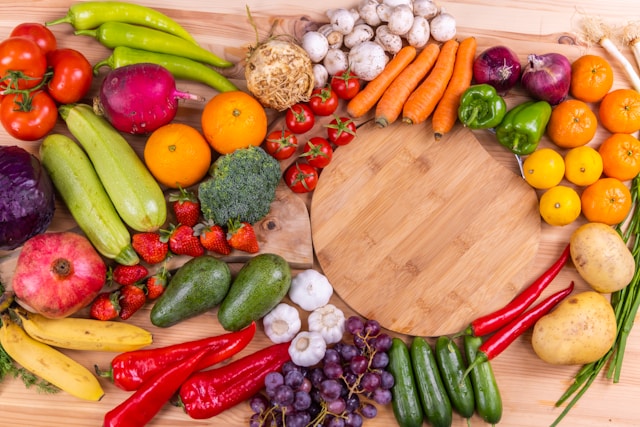
Quick answer: Restaurants and businesses choose fruit suppliers based on consistent produce quality, delivery reliability, transparent pricing, and strict food safety certifications. Commercial buyers prioritize distributors offering fresh, seasonal fruit with clear farm-to-table traceability, as this minimizes food waste, protects profit margins, and ensures the establishment maintains a stellar culinary reputation.
Sourcing high-quality ingredients is the foundation of any successful food service operation. Whether managing a bustling downtown cafe, a high-end dining establishment, or a large-scale corporate cafeteria, chefs and procurement managers face immense pressure to secure the best possible produce. Fruit, in particular, presents unique challenges due to its high perishability, seasonal fluctuations, and susceptibility to transit damage.
Securing a reliable fruit supplier like Red Dot Market goes far beyond simply finding the lowest price per pound. Food service businesses require distribution partners who act as an extension of their own operations. A delayed delivery or a shipment of bruised apples can disrupt a carefully planned menu, frustrate paying customers, and ultimately damage a restaurant’s bottom line. Consequently, procurement teams conduct rigorous evaluations before signing contracts with wholesale produce vendors.
Understanding the specific criteria that restaurants and food service businesses use to evaluate fruit suppliers can help distributors refine their service offerings. Conversely, new restaurant owners can use these benchmarks to make informed purchasing decisions. The most successful vendor-client relationships in the hospitality sector are built on a foundation of mutual trust, rigorous quality control, and exceptional communication.
What are the key quality standards restaurants demand from fruit suppliers?
The visual appeal, texture, and flavor profile of fresh fruit directly impact the customer dining experience. Chefs refuse to compromise on quality, making this the single most important factor when businesses evaluate potential fruit suppliers.
How does freshness impact restaurant profitability?
Produce freshness is inextricably linked to a restaurant’s financial health. When a fruit supplier delivers overly ripe or prematurely harvested items, the restaurant experiences accelerated spoilage. Increased spoilage directly translates to higher food waste, which devitalizes profit margins. Commercial kitchens look for suppliers equipped with state-of-the-art cold chain logistics. Cold chain logistics ensure that berries, citrus, and stone fruits remain at optimal temperatures from the moment workers harvest them until they reach the restaurant’s walk-in refrigerator. Buyers often ask potential suppliers about their warehouse climate control capabilities and the temperature monitoring systems installed in their delivery fleet.
Why is seasonal produce availability so important?
Modern consumers increasingly demand seasonal, locally sourced ingredients. Restaurants adapt to this consumer preference by frequently rotating their menus to highlight fruits at peak ripeness. A top-tier fruit supplier proactively communicates seasonal shifts to their business clients. Instead of simply taking orders, exceptional distributors provide weekly market updates, alerting chefs when local strawberries are reaching their peak or when a freeze might cause a shortage of citrus. Choose a supplier with strong regional farming connections if menu flexibility and seasonal highlights matter more to your business than year-round standardization.
How do delivery schedules and reliability affect business operations?
Even the highest quality fruit loses its value if it fails to arrive before the kitchen begins prep work. Delivery reliability is a non-negotiable requirement for the hospitality industry.
What are the consequences of late deliveries for food businesses?
Kitchen operations run on tight, highly choreographed schedules. Prep cooks arrive hours before the dining room opens to wash, peel, and portion ingredients. If a fruit supplier misses a scheduled delivery window, the entire kitchen workflow stalls. This delay cascades through the shift, leading to missing menu items, stressed staff, and disappointed diners. Procurement managers heavily scrutinize a distributor’s on-time delivery rate. Many restaurants require a vendor to guarantee delivery within a specific two-hour window and will quickly terminate contracts with suppliers who repeatedly miss these critical deadlines.
How flexibility in ordering schedules benefits restaurants
The food service industry is notoriously unpredictable. A sudden influx of weekend reservations or an unexpected catering order can deplete a restaurant’s fruit inventory overnight. Businesses look for fruit suppliers who offer late-night order cutoffs and next-day delivery capabilities. Distributors that force restaurants to place orders several days in advance create inventory management nightmares for chefs. Suppliers utilizing user-friendly digital ordering platforms and mobile applications gain a distinct competitive advantage, as these tools allow chefs to quickly place orders after finishing a late-night service shift.
Why is transparent pricing essential when choosing a fruit wholesaler?
Food costs dictate a restaurant’s pricing strategy and overall viability. While chefs care deeply about quality, financial controllers and restaurant owners obsess over market pricing and cost consistency.
The hidden costs of inconsistent pricing models
Agricultural markets fluctuate based on weather patterns, labor shortages, and fuel costs. While restaurants understand that the price of avocados or blueberries will change throughout the year, they despise unexpected price hikes on their final invoices. Businesses require transparent pricing structures from their fruit suppliers. Reputable distributors provide clear price lists that lock in costs for a set period, typically a week or a month. If market conditions force a price increase, the supplier must communicate this change before fulfilling the order, giving the chef an opportunity to substitute the expensive item with a more cost-effective alternative.
Choose fixed pricing if budget stability matters more than market deals
Some large-scale food service businesses, such as hospital cafeterias and school districts, operate on strictly fixed annual budgets. These organizations often seek fruit suppliers willing to negotiate long-term, fixed-price contracts for staple items like bananas, apples, and oranges. Choose a fixed-price contract if strict budget adherence matters more to your operation than capitalizing on temporary market dips. Conversely, independent restaurants with flexible menus often prefer weekly market pricing, allowing them to take advantage of bumper crops and seasonal surpluses.
What role do food safety certifications play in supplier selection?
A single foodborne illness outbreak can permanently destroy a restaurant’s reputation and result in devastating legal liabilities. Consequently, businesses shift a significant portion of food safety responsibility onto their supply chain partners.
Understanding GAP, HACCP, and local health regulations
Professional kitchens only partner with fruit suppliers who maintain rigorous, documented food safety protocols. Buyers look for distributors certified in Hazard Analysis and Critical Control Points (HACCP) and Good Agricultural Practices (GAP). These frameworks ensure the supplier actively identifies and mitigates contamination risks during packing, storing, and transportation. During the vetting process, restaurant procurement teams routinely request copies of a supplier’s most recent third-party food safety audit. A refusal to provide these documents immediately disqualifies a vendor from consideration.
Traceability: Can the supplier track the fruit back to the farm?
If a local health department issues a recall for specific batches of cantaloupe or romaine lettuce, restaurants must identify whether their inventory is affected within minutes. Fruit suppliers must utilize robust inventory management software capable of tracing every case of produce back to the exact farm and harvest date. This traceability protects the public health and shields the restaurant from liability. Suppliers who still rely on paper-based tracking methods struggle to meet the rapid response times required by modern food safety regulations.
How does sustainability influence a buyer’s choice of fruit supplier?
Environmental consciousness is no longer a fringe movement in the culinary world; it is a core operational philosophy for thousands of businesses. Restaurants look for fruit suppliers whose environmental values align with their own corporate sustainability goals.
The rise of eco-friendly packaging in food distribution
Traditional produce distribution relies heavily on single-use waxed cardboard boxes, styrofoam netting, and plastic clamshells. These materials generate massive amounts of waste that restaurants must pay to dispose of. Forward-thinking food service businesses actively seek fruit suppliers who utilize reusable plastic crates (RPCs) or biodegradable packaging materials. Suppliers who implement closed-loop packaging systems—where the distributor retrieves, sanitizes, and reuses delivery crates—help restaurants drastically reduce their dumpster collection costs and improve their environmental footprint.
Supporting local farmers versus importing exotic fruits
Many modern restaurants build their brand identity around supporting local agriculture. These establishments prefer fruit suppliers who act as aggregators for small, regional farms. By purchasing from these specific distributors, restaurants can easily source heritage apples from an orchard fifty miles away without managing dozens of individual vendor accounts. However, restaurants focusing on globally inspired cuisine will prioritize suppliers with robust international import networks capable of consistently delivering dragon fruit, lychee, or yuzu regardless of the domestic growing season.
Building a Lasting Partnership with Your Produce Distributor
Selecting a wholesale fruit supplier requires balancing culinary aspirations with financial realities and strict safety protocols. Restaurants and businesses must look beyond the initial price sheet and evaluate potential partners based on their logistical capabilities, communication transparency, and commitment to food safety. The ideal fruit supplier operates not just as a delivery service, but as an invested consultant who actively helps the restaurant navigate seasonal changes and market fluctuations.
For food service operators, taking the time to thoroughly audit potential produce distributors pays long-term dividends. By establishing a collaborative relationship with a reliable supplier, chefs can spend less time worrying about bruised inventory or missed deliveries, and more time focusing on crafting exceptional dining experiences for their guests.
Frequently Asked Questions
What is the standard payment timeline for wholesale fruit suppliers?
Most wholesale fruit suppliers operate on Net-15 or Net-30 payment terms, meaning the restaurant has 15 to 30 days to pay the invoice after the delivery date. However, new businesses without established credit history may be required to pay cash on delivery (COD) for the first few months of the partnership.
How do restaurants handle deliveries of damaged or spoiled fruit?
Restaurants should inspect all produce immediately upon delivery. If a chef discovers damaged or spoiled fruit, they should refuse that specific item and note the rejection on the delivery manifest before signing it. The fruit supplier will then issue a credit memo to the restaurant’s account to offset the cost of the unusable product.
Can small cafes buy directly from fruit suppliers, or are there minimum order requirements?
Most commercial fruit suppliers enforce minimum order requirements for free delivery, typically ranging from $150 to $300 per invoice. Small cafes that cannot meet these minimums might face additional delivery fees, or they may need to rely on “cash and carry” wholesale markets where they transport the produce themselves.
How often do restaurants typically receive fruit deliveries?
High-volume restaurants and establishments with limited storage space often receive fresh produce deliveries three to six times per week. Smaller operations with adequate walk-in refrigeration usually schedule deliveries one or two times per week to minimize administrative overhead.
What should a restaurant do if a fruit supplier repeatedly misses delivery windows?
If a fruit supplier consistently delivers late, the restaurant manager should first schedule a meeting with their dedicated sales representative to address the logistical breakdown. If the delays continue, the restaurant must initiate a transition to a secondary supplier, as unreliable deliveries will inevitably damage kitchen operations and profitability.


