

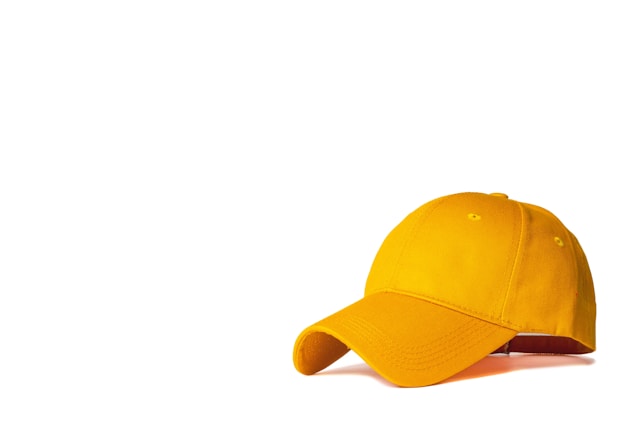
Quick answer: Custom cap printing became a powerful branding tool because it transforms everyday headwear into highly visible mobile billboards. Businesses use methods like embroidery, screen printing, and heat transfer on caps to increase brand visibility, build customer loyalty, and create cost-effective promotional merchandise that audiences actively choose to wear on a daily basis.
Custom headwear has evolved far beyond its original functional purpose of protecting the wearer from the sun. Over the past few decades, businesses and organizations have recognized that a well-designed cap offers an unparalleled opportunity for brand exposure. When someone wears a cap featuring a company logo, that person essentially becomes a brand ambassador, carrying the company’s message into coffee shops, public parks, and crowded streets.
The journey of cap printing from a niche sportswear requirement to a mainstream corporate marketing strategy highlights a shift in how companies approach promotional merchandise. Brands no longer want to distribute throwaway items that end up in the trash. Instead, modern companies focus on creating high-quality apparel that provides genuine value to the consumer while simultaneously generating passive brand awareness.
Understanding the mechanics of custom headwear can dramatically improve your marketing efforts. You can choose from various printing techniques, select specific cap styles, and tailor your designs to match your target demographic exactly. This comprehensive guide will explore exactly why cap printing is so effective, outline the different methods available for customizing headwear, and provide actionable strategies for integrating custom caps into your overall marketing campaigns.
Why is custom cap printing highly effective for brand awareness?
The effectiveness of custom caps from Global Asia Printings relies on simple visual psychology and practical utility. When evaluating promotional merchandise, businesses must consider both the cost per impression and the likelihood that the recipient will actually use the item. Custom headwear excels in both of these categories.
First, caps are worn at eye level. When a person wears a branded hat, the logo sits squarely in the line of sight of anyone they interact with. This prime real estate ensures that the brand logo receives maximum visibility during standard face-to-face communications. Furthermore, unlike a t-shirt that might be covered by a jacket or a sweater, a cap remains fully visible regardless of the weather or layering choices.
Second, high-quality headwear offers tremendous longevity. According to promotional product industry data, consumers keep custom hats for an average of ten months, generating thousands of impressions over their lifespan. A sturdy baseball cap or a warm beanie provides functional value, meaning the recipient has a practical reason to keep and wear the item repeatedly.
Finally, custom headwear allows for significant audience segmentation. A corporate enterprise might order premium embroidered golf caps for executive clients, while a trendy tech startup might choose brightly colored five-panel camper hats featuring woven patches for their younger demographic. This versatility ensures that the branding tool matches the specific aesthetic preferences of the target audience.
What are the most popular styles for custom branded caps?
Choosing the right base cap is the first crucial step in any headwear branding campaign. The style of the hat communicates just as much about your brand as the logo printed on it.
How do classic baseball caps serve corporate brands?
The classic six-panel baseball cap remains the most popular choice for general promotional merchandise. These caps feature a structured crown and a curved visor, offering a traditional look that appeals to a wide demographic. Corporate brands often choose baseball caps because they present a clean, professional appearance that works well for company outings, trade shows, and employee uniforms.
Why are trucker hats ideal for lifestyle marketing?
Trucker hats feature a foam or cotton front panel paired with breathable mesh back panels. Originally designed as cheap promotional items for agricultural companies in the mid-20th century, trucker hats have experienced massive resurgences in streetwear and lifestyle fashion. Lifestyle brands, outdoor companies, and beverage businesses frequently use trucker hats because they offer a relaxed, casual aesthetic that resonates heavily with younger, active consumers.
When should businesses choose snapbacks and flat-brim caps?
Snapbacks are characterized by their flat visors and adjustable plastic snap closures at the back. These caps have deep roots in urban fashion, skateboarding culture, and the music industry. Brands targeting a youthful, fashion-forward demographic often select snapbacks over traditional baseball caps. The flat brim provides a modern silhouette, and the structured front panel offers a large, stable canvas for intricate cap printing or heavy 3D embroidery.
What are the benefits of customizing beanies for winter promotions?
While summer campaigns focus heavily on brimmed hats, winter marketing strategies shift toward beanies. Knit beanies provide warmth during cold months, ensuring that your promotional item remains useful year-round. Beanies are typically customized using embroidery or woven patches, as traditional screen printing does not adhere well to stretchy knit fabrics.
What are the best cap printing methods for businesses?
Once you select the style of headwear, you must determine how to apply your logo to the fabric. The best cap printing method depends entirely on your specific design, your budget, and the material of the hat. Choose embroidery if durability matters more than highly detailed color gradients.
How does embroidery elevate custom headwear?
Embroidery involves using automated sewing machines to stitch your design directly into the fabric of the cap. This is widely considered the most premium customization method for headwear. Embroidery offers a textured, three-dimensional look that exudes quality and professionalism. It is exceptionally durable; the threading will often outlast the cap itself.
However, embroidery has limitations. It cannot replicate tiny text, fine details, or photographic gradients. Businesses should use embroidery for solid logos, bold typography, and simple vector designs.
When is screen printing the right choice for caps?
Screen printing uses a woven mesh stencil to press ink directly onto the surface of the cap. This method is highly cost-effective for large volume orders. Screen printing works exceptionally well on foam-front trucker hats and five-panel caps that do not have a prominent center seam.
The primary drawback of screen printing on caps is the curved surface of the headwear. Printing on a curve requires specialized equipment and limits the printable area. Additionally, screen printing ink can crack over time if the cap is frequently washed or folded.
What are the advantages of heat transfer printing?
Heat transfer printing involves printing a design onto a specialized carrier paper and using a commercial heat press to bond the design to the cap. This method bridges the gap between screen printing and embroidery.
Heat transfer printing allows businesses to apply full-color designs, complex gradients, and photorealistic images to headwear. It is also highly efficient for small batch orders, as it avoids the extensive setup time required for screen printing. Choose heat transfer printing if your logo contains multiple overlapping colors or fine illustrative details.
Why are custom patches growing in popularity?
Instead of applying a design directly to the cap, many modern brands opt to create custom patches that are subsequently sewn or heat-pressed onto the headwear. You can choose from embroidered patches, woven patches, printed patches, or embossed leather patches.
Leather patches offer a rustic, artisanal look that works perfectly for outdoor brands, breweries, and boutique coffee shops. Woven patches provide a clean, vintage aesthetic. Using patches allows brands to create a distinct textural contrast between the logo and the cap material.
How to design custom caps that build brand loyalty
Creating a successful custom cap requires more than just slapping a corporate logo onto the front panel. Consumers are highly discerning about what they wear. If the cap looks cheap or overly promotional, it will sit in a closet collecting dust.
First, focus on subtlety. While you want brand visibility, massive logos can deter people from wearing the cap in their daily lives. Consider using a smaller, refined logo on the front left panel, or placing a minimalist icon on the center with the full brand name embroidered on the back closure.
Second, pay attention to color coordination. The color of the cap should complement your brand colors without being overwhelmingly bright. Neutral cap colors like navy, charcoal, olive, and black tend to see the highest wear rates because they easily match standard daily outfits.
Finally, consider the retail value. Design the cap as if you intend to sell it in a premium retail store. Add custom interior taping, woven hem tags, and high-quality closures (like brass buckles or premium leather straps). When a promotional cap feels like a retail product, the perceived value skyrockets, and the recipient feels a much stronger sense of brand loyalty.
Next steps for launching your custom cap campaign
Cap printing offers an incredible return on investment when executed thoughtfully. By understanding the different styles, printing methods, and design principles, you can create custom headwear that your audience will genuinely love.
Start by auditing your current brand assets to see which logos translate best to embroidery or heat transfer. Next, identify the specific demographic you want to reach with this campaign, and select a cap style that aligns with their fashion preferences. Finally, partner with a reputable cap printing supplier who can provide physical samples before you commit to a large production run.
Frequently Asked Questions about Custom Cap Printing
How much does custom cap printing usually cost?
The cost of custom cap printing depends on the printing method, the base cap quality, and the total order volume. Basic screen-printed foam trucker hats can cost as little as $3 to $5 per unit on large orders. Premium structured caps with 3D embroidery typically range from $12 to $25 per unit for smaller batches.
What is the minimum order quantity (MOQ) for custom hats?
Minimum order quantities vary by supplier and customization method. Heat transfer and digital printing can often be done with no minimums (or as few as 12 units). Traditional screen printing and custom woven patches usually require an MOQ of 48 to 144 units to offset the equipment setup costs.
Can you print on the brim or the sides of a cap?
Yes, you can customize multiple areas of a cap. Side panel embroidery is very common for secondary logos, website URLs, or sponsor emblems. Printing on the brim is possible, though it is usually easier to achieve during the manufacturing process before the cap is fully constructed (known as a custom overseas build).
How long does it take to produce custom branded headwear?
Standard domestic production for embroidery or heat transfer typically takes between 7 to 15 business days after you approve the digital proof. If you require a completely custom build from an overseas factory to include unique fabrics or brim printing, the timeline can extend to 30 to 60 days.
What is the difference between flat embroidery and 3D puff embroidery?
Flat embroidery stitches the thread directly against the cap fabric, creating a traditional, clean look. 3D puff embroidery involves placing a piece of urethane foam on the cap and stitching over it, which raises the thread off the surface of the hat. 3D embroidery is excellent for bold, simple initials or thick typography, but it cannot be used for small text or intricate details.


