

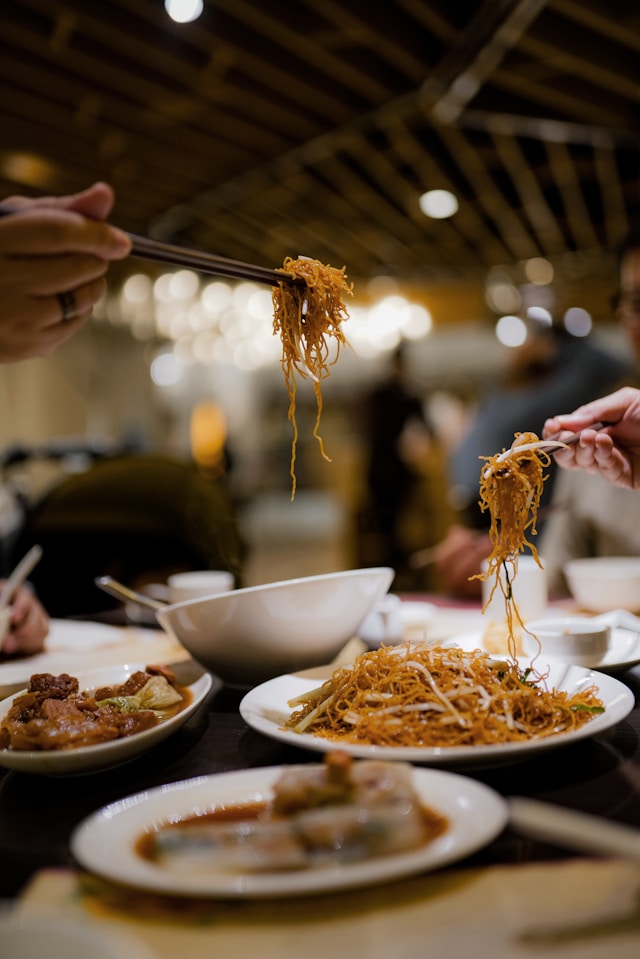
Walking into a traditional Chinese restaurant can feel overwhelming. The menus are often thick books filled with hundreds of items, spanning multiple pages of meats, vegetables, noodles, and soups. If you usually stick to familiar takeout staples, you are missing out on one of the most vibrant, diverse, and historically rich culinary traditions on the planet.
Chinese cuisine is not a single entity. It is a vast collection of regional styles shaped by geography, climate, and centuries of history. From the fiery, numbing spices of Sichuan province to the delicate, fresh flavors of Cantonese cooking, every region offers a completely different approach to ingredients and technique. Understanding these differences is the key to unlocking a truly memorable meal.
This guide will help you navigate that extensive menu with confidence. We have compiled a list of twelve essential, authentic dishes that showcase the true depth of Chinese cooking. By ordering these items, you will experience a perfect balance of flavors, textures, and historical significance that define this incredible cuisine.
Understanding the Eight Culinary Traditions
Before ordering your meal, it helps to know a little about how Chinese food is categorized. Professional chefs and historians usually divide the country’s food into eight major culinary traditions. The most prominent ones you will encounter globally are Sichuan, Cantonese (Guangdong), Shandong, and Jiangsu.
Sichuan food is famous for its bold heat and the unique numbing sensation provided by the Sichuan peppercorn. Cantonese food, originating in the south, highlights the natural flavor of fresh ingredients with minimal heavy sauces. Beijing, while not one of the official eight, has its own distinct northern style heavily influenced by imperial history and colder climates. Knowing these regional backgrounds makes ordering a cohesive, balanced meal much easier.
12 Authentic Chinese Dishes You Need to Order
1. Peking Duck (Beijing)
Peking Duck is arguably the most famous dish to come out of China’s capital. Dating back to the Ming Dynasty, this luxurious meal was originally reserved for the emperor’s court. The defining feature of Peking Duck is its impossibly thin, crispy skin. Chefs achieve this by pumping air under the duck’s skin, glazing it with maltose syrup, and roasting it in a special wood-fired oven.
When you order this at a Chinese restaurant, it is often carved right at your table. To eat it authentically, take a thin steamed pancake, add a slice of duck featuring that coveted crispy skin, and top it with sliced spring onions, cucumber, and a dollop of sweet bean sauce or hoisin. Fold it up and enjoy the perfect contrast of crunchy, savory, and sweet.
2. Mapo Tofu (Sichuan)
If you want to experience the true essence of Sichuan cooking, Mapo Tofu is mandatory. This dish consists of silken tofu cubes swimming in a bright red, fiery sauce made from fermented broad bean paste, chili oil, and minced pork or beef.
The magic of Mapo Tofu lies in the “mala” sensation. “Ma” refers to the tingling, numbing effect of Sichuan peppercorns, while “la” refers to the spicy heat of the chilies. The incredibly soft texture of the tofu provides a soothing contrast to the aggressive spices. Always order a side of plain steamed white rice to soak up the intensely flavorful, rich sauce.
3. Xiaolongbao (Jiangsu)
Often referred to as soup dumplings, Xiaolongbao are a masterpiece of culinary engineering originating from the Jiangsu province and Shanghai. These delicate, bite-sized parcels feature a nearly translucent wrapper completely sealing a savory pork filling and a rich, piping-hot broth.
Eating Xiaolongbao requires a specific technique to avoid burning your mouth or spilling the precious soup. Pick the dumpling up carefully with your chopsticks by its top knot. Place it on your soup spoon, and take a tiny bite out of the side of the wrapper. Let the steam escape, slurp the broth out of the dumpling, and then eat the rest of it with a slice of fresh ginger dipped in black vinegar.
4. Kung Pao Chicken (Sichuan)
While often found on westernized takeout menus, authentic Kung Pao Chicken is a revelation. Named after a Qing Dynasty governor named Ding Baozhen, this classic Sichuan dish perfectly balances spicy, sweet, and sour flavor profiles.
The traditional preparation features tender, marinated diced chicken stir-fried with roasted peanuts, scallions, and dried red chilies. Unlike the heavily battered and syrupy versions found abroad, the authentic recipe relies on a light, glossy sauce made from soy sauce, black vinegar, and sugar, punctuated by the numbing zing of Sichuan peppercorns.
5. Dim Sum (Cantonese)
Dim Sum is not a single dish, but rather an entire category of small, bite-sized portions served in bamboo steamer baskets or on small plates. Originating in the teahouses of Guangdong province, Dim Sum was designed as a snack to accompany tea drinking, a practice known as “yum cha.”
A proper Dim Sum experience involves sharing multiple plates with your table. Essential items to order include Har Gow (translucent shrimp dumplings), Siu Mai (open-topped pork and shrimp dumplings), and fluffy steamed barbecue pork buns. It is a communal, leisurely dining experience that celebrates craftsmanship, variety, and conversation.
6. Hot Pot (Sichuan/Chongqing)
Hot Pot is the ultimate communal dining event. A large, simmering pot of flavorful broth is placed in the center of the table, kept hot by an integrated burner. Surrounding the pot are plates of raw ingredients like thinly sliced meats, leafy vegetables, mushrooms, tofu, and fresh noodles.
Diners use their chopsticks to cook the raw ingredients directly in the boiling broth. Once cooked, you dip the food into a customized sauce you mix yourself, usually featuring sesame paste, soy sauce, garlic, and cilantro. You can choose a mild herbal broth, a fiery beef tallow broth packed with chilies, or a divided pot that offers both.
7. Char Siu (Cantonese)
Char Siu translates directly to “fork roasted,” which describes the traditional cooking method for this beloved Cantonese barbecue pork. Chefs marinate long strips of pork in a mixture of honey, five-spice powder, red fermented bean curd, soy sauce, and hoisin. They then skewer the meat with long forks and roast it until the outside is sticky, deeply caramelized, and slightly charred.
The result is meat that is incredibly tender on the inside with a sweet, smoky, and savory exterior. It is brilliant when served simply over a bed of steamed rice with a side of blanched bok choy, allowing the complex flavor of the marinade to shine.
8. Beef Chow Fun (Cantonese)
Beef Chow Fun is the ultimate test of a Cantonese chef’s wok skills. This dish features wide, flat rice noodles stir-fried with tender slices of marinated beef, scallions, and bean sprouts.
The secret to authentic Beef Chow Fun is “wok hei,” which translates to the “breath of the wok.” This unique, slightly smoky flavor is achieved by tossing the noodles rapidly over an extremely high, open flame. The high heat sears the ingredients perfectly without making the noodles mushy or greasy. When executed correctly, the noodles have a pleasant, bouncy chew.
9. Dan Dan Noodles (Sichuan)
Dan Dan Noodles started as a humble street food in the Sichuan province. The name comes from the carrying pole (dan dan) that street vendors used to transport baskets of noodles and sauce to sell to locals.
At the bottom of the bowl sits a potent, savory sauce made from chili oil, preserved mustard greens, soy sauce, and Sichuan pepper. The chef places freshly boiled noodles on top, followed by a spoonful of crispy, savory minced pork. Before eating, you must aggressively mix the bowl so the thick, spicy sauce coats every single noodle perfectly.
10. Twice-Cooked Pork (Sichuan)
Twice-Cooked Pork, or Hui Guo Rou, is a rustic and deeply satisfying Sichuan staple. The preparation literally involves cooking the meat twice to achieve its signature texture. First, a piece of rich pork belly is simmered in water with ginger and spices until tender. After cooling, the chef slices the pork into thin pieces and returns it to a hot wok.
The pork is stir-fried aggressively until the fat renders out and the edges become beautifully crispy. It is then tossed with broad bean paste, fermented black beans, soy sauce, and thick stalks of garlic chives or leeks. It is deeply savory, slightly spicy, and incredibly comforting.
11. Scallion Pancakes (Eastern China)
Scallion pancakes, known as Cong You Bing, are a staple savory pastry found throughout China, though they are heavily associated with Shanghai and Eastern regional cooking. Unlike Western pancakes made from a liquid batter, Chinese scallion pancakes are made from a dense, unleavened wheat dough.
The chef rolls the dough out thin, brushes it with oil and minced scallions, and then folds and rolls it repeatedly. This lamination process creates distinct, flaky layers. When pan-fried, the outside becomes shatteringly crisp while the inside remains delightfully chewy and fragrant with onion flavor. They are the perfect appetizer to share before a large meal.
12. Wonton Soup (Cantonese)
A bowl of authentic Cantonese Wonton Soup is a lesson in elegant simplicity. The wontons themselves are thin, delicate wrappers filled primarily with whole shrimp and a small amount of minced pork. They are remarkably different from the thick, doughy wontons often served in westernized restaurants.
The broth is equally important. A traditional Cantonese master broth is simmered for hours using pork bones, dried flounder, and yellow chives, resulting in a clear, highly aromatic soup. The dish is usually finished with thin, springy egg noodles that provide a satisfying textural contrast to the soft dumplings.
Frequently Asked Questions About Chinese Dining
How should I order a meal for a group?
Authentic Chinese dining is almost always family-style. Instead of ordering individual entrees for each person, order a variety of dishes to share. A balanced order typically includes one poultry dish, one pork or beef dish, a vegetable dish, a soup, and a staple carbohydrate like rice or noodles.
What is the proper etiquette for eating with a group?
When sharing dishes, never use your personal chopsticks to dig through a communal plate to find your favorite pieces. Pick the piece closest to you. If the restaurant provides serving spoons or communal chopsticks, use those to transfer food to your own bowl or plate first. Also, never leave your chopsticks sticking straight up vertically in a bowl of rice, as this resembles incense burned at funerals and is considered highly disrespectful.
Why does the restaurant serve hot tea before the meal?
Serving hot tea is a fundamental part of Chinese hospitality. Green, oolong, or jasmine tea helps cleanse the palate and aids in digesting the rich, savory oils found in many traditional dishes. When someone pours tea for you, it is polite to tap your index and middle fingers lightly on the table as a silent gesture of thanks.
Ready to Elevate Your Next Chinese Dining Experience?
Stepping away from familiar takeout options and exploring authentic regional dishes opens up an entirely new culinary world. The twelve dishes highlighted above offer a fantastic starting point for your next restaurant visit. You will experience the rich, smoky flavors of wok hei, the numbing thrill of Sichuan spices, and the delicate craftsmanship of handmade dumplings.
The next time you visit a traditional Chinese restaurant, keep this guide handy. Be adventurous, order something new to share with your table, and discover the deep historical roots and incredible flavors that make authentic Chinese cuisine truly unforgettable.


