

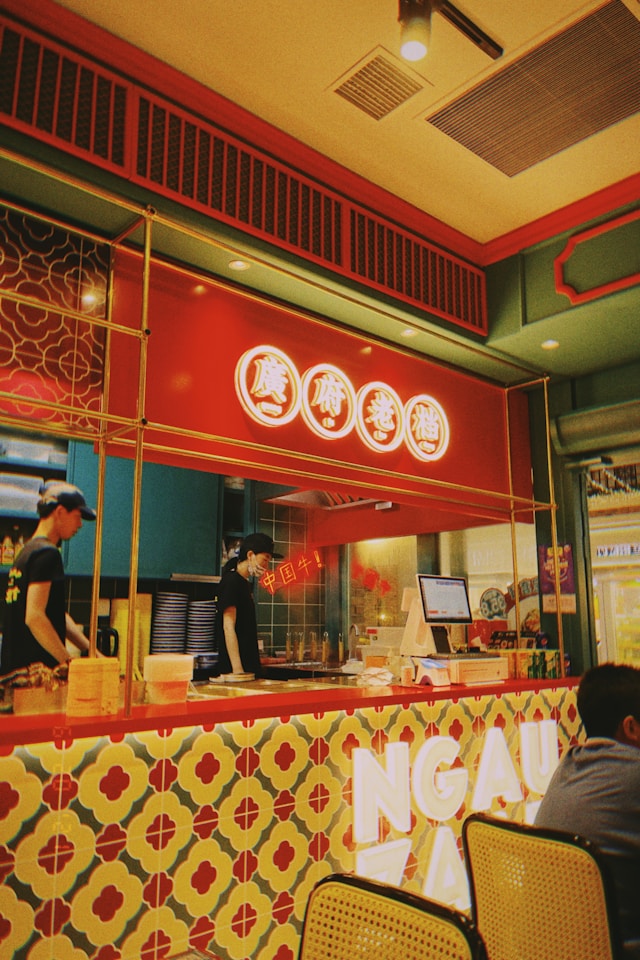
Planning an event is a juggling act. You have to manage the guest list, the budget, the date, and—perhaps most importantly—the food. Food brings people together, and choosing the right cuisine is often the linchpin of a successful gathering. Chinese cuisine is a fantastic option for events because of its variety, communal dining style, and generally crowd-pleasing flavors.
However, selecting the right Chinese restaurant isn’t as simple as picking the first place that pops up on a Google search. The term “Chinese food” encompasses a massive geographical area and a millennia-old culinary history. Are you looking for the spicy heat of Sichuan? The delicate dim sum of Canton? Or maybe a modern fusion spot that caters to Western palates?
Beyond the food itself, there are logistical hurdles. Does the venue have private rooms? Can they handle dietary restrictions like gluten allergies or vegetarian requests, which can sometimes be tricky with soy sauce and meat-based broths? Is the ambiance right for a corporate dinner, or is it better suited for a raucous family reunion?
This guide walks you through everything you need to consider when booking a Chinese restaurant for your event. We will cover regional cuisines, menu planning for large groups, venue logistics, and red flags to watch out for. By the end, you’ll be ready to host a banquet that your guests will talk about for years.
Understand the Regional Cuisines
One of the biggest mistakes organizers make is assuming all Chinese restaurants serve the same “General Tso’s Chicken” and “Fried Rice.” While American-Chinese staples have their place, authentic Chinese cuisine is incredibly diverse. Knowing the difference between the major regional styles will help you match the food to the vibe of your Chinese restaurant for event option.
Cantonese (Guangdong)
This is likely what most people envision when they think of a traditional Chinese banquet. Hailing from the south of China (Hong Kong and Guangdong province), Cantonese cuisine emphasizes fresh ingredients and natural flavors. It is rarely spicy.
- Best for: Weddings, formal family gatherings, and events with elderly guests or children who might not tolerate spice well.
- Key dishes: Dim sum, roasted duck, steamed whole fish with ginger and scallion, char siu (barbecue pork).
Sichuan (Szechuan)
If your group loves bold flavors, Sichuan is the way to go. Famous for its liberal use of garlic, chili peppers, and the numbing Sichuan peppercorn (ma la), this cuisine is exciting and memorable.
- Best for: energetic gatherings, friend groups, or foodie crowds who want an “experience.”
- Key dishes: Kung Pao chicken, Mapo tofu, Dan Dan noodles, spicy hot pot.
Northern (Beijing/Shandong)
The climate in the north is colder, so the food is heartier. Wheat is the staple rather than rice, meaning you’ll see more noodles, dumplings, and buns.
- Best for: Casual corporate lunches or comfort-food focused dinners.
- Key dishes: Peking duck (a showstopper for events), dumplings (jiaozi), hand-pulled noodles, lamb skewers.
Shanghainese (Huaiyang)
This style is known for being slightly sweeter and often features braising and sugar. It sits somewhere between the lightness of Cantonese and the heaviness of Northern food.
- Best for: Sophisticated dinners or cocktail-style events with small bites.
- Key dishes: Xiao Long Bao (soup dumplings), braised pork belly, “drunken” chicken.
Evaluate the Menu and Dietary Needs
Once you’ve narrowed down the region, it’s time to look at the specific menu. Cooking for a crowd is different than ordering takeout for two on a Friday night.
The Banquet Set Menu
Most authentic Chinese restaurants offer set banquet menus for groups of 10 or more. These are lifesavers for event planners. They usually consist of 8 to 12 courses, starting with cold appetizers, moving through soups, seafood, meats, vegetables, and ending with a starch (noodles or rice) and dessert.
- Pros: It takes the guesswork out of ordering. The kitchen knows how to pace these meals perfectly. It is usually more cost-effective per head.
- Cons: Less flexibility for picky eaters.
A La Carte vs. Family Style
If you don’t opt for a set menu, you will be ordering “family style.” The golden rule for Chinese family-style dining is to order one dish per person, plus one soup and one starch (rice/noodles) for the table. Aim for balance:
- Proteins: One pork, one beef, one chicken, one seafood/fish.
- Textures: Something crunchy (deep-fried), something soft (braised), something soupy.
- Colors: Ensure the table looks vibrant with greens and reds.
Navigating Dietary Restrictions
This is often the trickiest part of booking a Chinese venue.
- Vegetarians/Vegans: Check if the vegetable dishes are cooked with pork fat or oyster sauce. Many traditional “vegetarian” dishes use chicken stock bases. Ask if the chef can use mushroom stir-fry sauce instead.
- Gluten-Free: Soy sauce contains wheat. You need to ask specifically if they have gluten-free soy sauce or if they can prepare “white” dishes (salt and garlic only) without soy sauce.
- Nut Allergies: Peanuts and cashews are common in stir-fries. Cross-contamination is a risk, so be very clear with the manager.
Assess the Venue and Ambiance
The food might be Michelin-star quality, but if the room is too loud for a speech or too cramped for networking, your event will suffer.
Private Rooms
Chinese culture places a high value on private dining. Consequently, many Chinese restaurants have excellent private rooms equipped with large round tables (Lazy Susans included).
- Check the capacity: A standard large round table seats 10-12 people. If you have 15 people, you might be split across two tables, which kills conversation. Ask specifically about the maximum capacity of one table.
- AV Equipment: Many private rooms in modern Chinese restaurants come with karaoke machines or large TV screens. This is a bonus for corporate presentations or slideshows for birthday parties.
Accessibility and Comfort
If you are hosting a multi-generational event like a Red Egg and Ginger party (for a baby) or a 70th birthday, accessibility is key.
- Is there elevator access if the restaurant is on the second floor?
- Are the chairs comfortable for a 2-hour meal?
- Is the restroom clean and easily accessible?
Parking and Location
Many of the best authentic Chinese restaurants are located in busy Chinatowns where parking is notorious. If you are hosting professional guests or people from out of town, consider:
- Does the venue offer valet parking?
- Is there a reliable parking garage nearby?
- Is it near public transit?
Budgeting and Hidden Costs
Chinese banquets can range from incredibly affordable to eye-wateringly expensive. Being transparent about your budget upfront is essential.
The “Head Count” vs. “Table” Price
Western catering is usually priced “per head.” Chinese banquets are often priced “per table” (usually a table of 10). If a menu says “$500,” that likely means $500 for 10 people, which is $50 per person. Make sure you clarify this distinction.
Tea and Water Charges
In some casual spots, tea is free. In upscale venues, tea is charged per person (tea charge). This can add up. Additionally, don’t assume water is free or that tap water will be served automatically. Clarify your beverage package.
Corkage Fees
Chinese banquets are often celebratory, involving wine or cognac. Many restaurants allow you to bring your own alcohol (BYOB) but charge a “corkage fee.” This fee can sometimes be negotiated if you are booking a large event.
Service Charge vs. Tip
For large groups, an automatic gratuity (often 15-20%) is usually added to the bill. Double-check the final invoice so you don’t accidentally tip twice.
Taste Testing and The “Vibe check”
Never book a venue for a major event based solely on online photos. You need to go there.
The Lunch Test
Go for lunch a few weeks before your planned event. Order a few staples to test the kitchen’s consistency.
- Service speed: How long did it take for the food to arrive?
- Cleanliness: Look at the tablecloths, the chopsticks, and the floors.
- Noise level: Is the main dining room a cacophony of clattering plates? If so, you definitely need a private room.
Talk to the Manager
Don’t just talk to a server; ask for the manager or the banquet captain.
- Responsiveness: Do they seem organized? Did they write down your date and details, or just nod?
- Flexibility: Ask a difficult question, like “Can we swap the shark fin soup for a fish maw soup?” or “Can we bring our own cake?” Their reaction will tell you how accommodating they will be on the big day.
Cultural Etiquette to Consider
If you are hosting a culturally mixed group or a traditional Chinese family, a few etiquette points can smooth the experience.
Seating Arrangements
The seat facing the entrance is traditionally the “seat of honor” reserved for the host or the eldest guest. Ensure your table setup allows for this.
Serving Protocol
In a banquet setting, servers will usually portion out the soup and maybe the fish. However, for other dishes, guests serve themselves using the Lazy Susan. Ensure there are communal serving spoons (gong kuai) for every dish to maintain hygiene.
The Fish Head
If you order a whole fish (a symbol of abundance), the head should be pointed toward the guest of honor. It is bad luck to flip the fish over; instead, the skeleton is lifted out once the top fillet is eaten. If this seems too complex for your group, ask the kitchen to fillet the fish beforehand or serve fish fillets instead.
Red Flags to Watch Out For
Finally, trust your gut. If you see these warning signs, take your business elsewhere.
- Empty Dining Room: A good Chinese restaurant is busy, especially on weekends. If it’s empty at 7 PM on a Saturday, there’s a reason.
- Huge Menu Variety: A restaurant that offers sushi, Thai curry, AND Peking duck is usually a master of none. Stick to places that specialize in one region.
- Dirty Tanks: If the restaurant has live seafood tanks (common in Cantonese places), the water should be clear and the fish active. Dirty tanks equal questionable hygiene.
Questions to Ask Before Booking
To summarize, here is a checklist of questions to ask the venue manager before you put down a deposit:
- Do you have a set banquet menu for groups?
- Can we customize the set menu?
- Do you have a private room available for my date? What is the minimum spend?
- Can you accommodate gluten-free/vegetarian guests?
- What is your corkage fee policy?
- Is there a cake cutting fee?
- Is there a time limit on the table? (Some busy restaurants do 2 seatings a night).
- Where is the nearest parking?
Hosting a Memorable Feast
Choosing the right Chinese restaurant is about balancing authentic flavor with logistical ease. When done right, a Chinese banquet is more than just dinner—it is a communal, interactive experience that breaks down barriers. The act of sharing dishes, spinning the Lazy Susan, and pouring tea for one another creates a sense of intimacy that plated Western dinners often lack.
Whether you choose a fiery Sichuan hot pot spot for a team-building lunch or an elegant Cantonese seafood palace for a wedding reception, the key is preparation. Understand the regional specialty, communicate your dietary needs clearly, and secure a private space where your guests can relax.
So go ahead, book that table, and get ready for a feast that satisfies the stomach and the soul. Just remember to save room for the mango pudding.


