

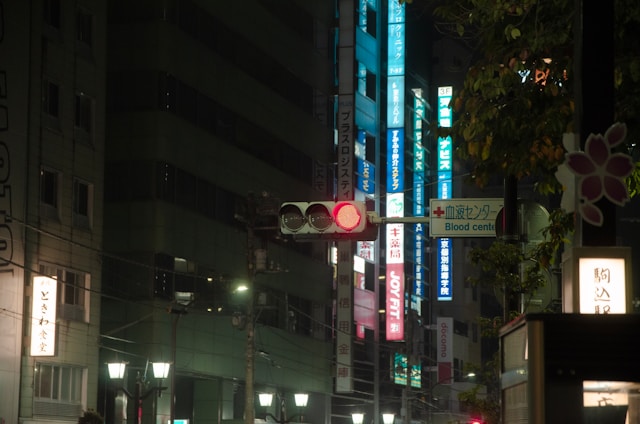
Your storefront is often the first handshake between your brand and a potential customer. Before they ever speak to a sales associate or browse your inventory, they see your sign. In a crowded marketplace, flat, two-dimensional signage often blends into the background noise of the street. This is why businesses ranging from high-end boutiques to tech startups are turning to 3D LED signage to make a literal standout impression.
Three-dimensional signage adds depth, texture, and physical presence to your branding. When combined with Light Emitting Diode (LED) technology, it transforms a static logo into a beacon that works for you 24 hours a day. However, creating an effective illuminated sign is not as simple as gluing lights to the back of some plastic letters. It requires a blend of design theory, electrical safety knowledge, and strategic planning.
A poorly executed 3D sign can actually damage your brand’s reputation, making it look cheap or unprofessional. Conversely, a well-planned installation elevates your perceived value instantly. To help you navigate the complex world of illuminated branding, we have compiled a comprehensive guide on the essential do’s and don’ts of LED 3D signage.
Do: Understand the Different Lighting Styles
Not all illumination is created equal. The way light interacts with your 3D lettering changes the mood and legibility of the sign. Before you approve a design, you must understand the three primary styles of LED channel letters.
Front-Lit Channel Letters
This is the most common type of LED 3D signage. The face of the letter is made from translucent acrylic, while the sides (returns) and back are aluminum. The LEDs are mounted inside, facing forward.
- Best for: Maximum visibility and readability from a distance.
- Vibe: Bold, commercial, and direct.
Halo-Lit (Back-Lit) Letters
Also known as “reverse channel letters,” these have a solid metal face and returns. The LEDs are mounted inside but face the wall. The light reflects off the wall behind the letter, creating a soft glow or “halo” around the silhouette.
- Best for: High-end retailers, corporate offices, and luxury brands.
- Vibe: Sophisticated, elegant, and understated.
Combination-Lit
As the name suggests, this method combines front and back lighting. You get the crisp readability of the illuminated face with the added depth and drama of the halo effect.
- Best for: Brands that want to appear dynamic and high-energy.
- Vibe: Modern, vibrant, and attention-grabbing.
Don’t: Ignore Local Zoning and Permitting
This is the most common (and expensive) mistake business owners make. You might have the perfect design and a willing installer, but if your sign violates local ordinances, you will be forced to take it down.
Every city and municipality has strict codes regarding:
- Brightness: Many areas have limits on how many “nits” (a unit of brightness) a sign can emit, especially at night.
- Size and Placement: There are often restrictions on how much of your building’s façade can be covered by signage.
- Color: Some historic districts restrict specific LED colors or require warm white light instead of cool white.
- Projection: Regulations usually dictate how far a 3D sign can stick out from the wall to ensure safety for pedestrians below.
The Fix: Always secure your permits before fabrication begins. A reputable signage company will usually handle the permitting process for you, but the ultimate responsibility lies with the business owner.
Do: Prioritize Contrast and Legibility
It is easy to get caught up in the artistic side of design, but a sign’s primary job is to be read. If customers cannot decipher your name from the road, the investment is wasted.
The Role of Stroke Width
In 3D lettering, the “stroke width” refers to the thickness of the lines that make up the letters. If the stroke is too thin, there won’t be enough room inside the channel letter to house the LED modules. This results in dim spots or letters that don’t light up at all. Ensure your font choice allows for a stroke width of at least 1.5 inches for proper illumination.
Color Contrast
White LEDs are the brightest, but colored LEDs can reinforce branding. However, you must consider the background wall color.
- Do: Place a white halo-lit sign on a dark brick wall. The contrast will make the halo pop.
- Don’t: Place a black face-lit sign on a black background unless you have a very strong halo effect to separate them.
Don’t: Skimp on Material Quality
Outdoor signage faces a brutal existence. It is exposed to UV radiation, rain, freezing temperatures, and wind. Choosing cheaper materials to save money upfront will almost always cost more in repairs and replacements later.
Acrylic vs. Polycarbonate
For the face of your signs, standard acrylic is often used. However, for larger signs or areas prone to hail and high winds, polycarbonate is the superior choice. It is virtually unbreakable and resists yellowing from the sun better than standard plastics.
Aluminum vs. Steel
For the “cans” (the sides and back of the letters), aluminum is the industry standard. It is lightweight, which puts less stress on your building’s façade, and it does not rust. Steel, while stronger, is heavy and prone to corrosion if the paint chips.
The LEDs Themselves
Cheap LED modules often suffer from color degradation. Over time, a crisp white light might turn pink or blue as the phosphors break down. High-quality LEDs from reputable manufacturers (like Samsung or Cree) maintain their color temperature for years and offer better energy efficiency.
Do: Consider the Color Temperature
“White” light is not just white. It exists on a spectrum measured in Kelvin (K). Choosing the wrong temperature can clash with your brand identity or the surrounding environment.
- Warm White (2700K – 3500K): This light has a yellowish/orange hue, similar to an incandescent bulb. It feels welcoming, cozy, and traditional. It is excellent for bakeries, spas, or rustic restaurants.
- Natural White (4000K – 4500K): This is a neutral white that mimics daylight. It is clean and modern without being too harsh.
- Cool White (6000K – 7000K): This has a slight blue tint. It appears incredibly bright and clinical. It works well for tech companies, hospitals, and pharmacies, but can feel uninviting for a hospitality setting.
Ensure all the LEDs in your sign come from the same “bin” (batch). Even a slight difference in Kelvin between two letters can look sloppy and distract from your message.
Don’t: Overcomplicate the Design
In the world of 3D signage, negative space is your friend. When you extrude a complex logo into three dimensions, small details can cast shadows that obscure the text.
If your logo has a tagline in a tiny font or intricate graphical elements, consider leaving those flat (vinyl or painted) and only making the main company name 3D and illuminated. Trying to force too much information into a 3D format often leads to a cluttered visual mess that is hard to read from a moving vehicle.
Keep it simple: 3D signage is best for the primary brand name or icon. Save the phone number, website, and tagline for window decals or secondary non-illuminated signage.
Do: Plan for Power and Access
The “magic” of LED signs is that they look wire-free, but hiding the power supply is a logistical challenge that needs planning during the architectural phase if possible.
Power Supplies (Transformers)
LEDs run on low voltage (usually 12V or 24V), meaning they need a transformer to convert the standard building power. These transformers are bulky boxes that need to be hidden.
- Raceway Mount: If you can’t get behind the wall, the letters are mounted to a metal box (raceway) that holds the wiring. This is easier to install but less aesthetically pleasing.
- Flush Mount: The wires poke through the wall, and all the connections and transformers are hidden in the ceiling or behind the wall. This looks the cleanest but requires access behind the wall for future maintenance.
Access is key. Electronic components fail. If your transformer is buried inside a sealed drywall ceiling with no access panel, a simple repair becomes a major construction project.
Don’t: Forget Maintenance
While LEDs are marketed as “maintenance-free” compared to old-school neon, they still require care.
- Cleaning: Spiders and birds love 3D letters. Webs and nests can obscure the light and create fire hazards. Schedule an annual professional cleaning.
- Weep Holes: Ensure your installer drills “weep holes” at the bottom of every letter. This allows condensation and rainwater to drain out. Without them, water fills the letter like a fishbowl, shorting out the electrical components.
Do: Use Smart Controls
Gone are the days of manually flipping a switch to turn on your sign. Modern LED systems should be integrated with smart controls.
- Timers/Photocells: A photocell detects when the sun goes down and automatically turns the sign on. This ensures you never forget to light up your brand and don’t waste electricity during the day.
- Dimmers: Your sign needs to be bright to compete with the sun at dusk, but that same brightness might be blindingly aggressive at 2:00 AM. Smart dimmers can adjust the brightness based on the time of day, extending the life of your LEDs and keeping your neighbors happy.
Technical Considerations: Voltage Drop
For larger signs, you need to be aware of a phenomenon called “voltage drop.” If you string too many LED modules together in a single series, the lights at the end of the chain will be dimmer than the lights at the start because power is lost as it travels through the wire.
Professional installers prevent this by running parallel circuits or injecting power at multiple points in the run. If you notice your sign looks like a gradient (bright on the left, dim on the right), voltage drop is likely the culprit.
Frequently Asked Questions
How long does LED signage actually last?
High-quality LED modules are rated for 50,000 to 100,000 hours of use. If you run your sign for 10 hours a night, that is roughly 13 to 27 years. However, the power supply (transformer) usually needs replacing every 5 to 7 years.
Is 3D LED signage expensive to run?
It is incredibly efficient. A large LED sign often uses less power than a standard coffee maker. Compared to neon or fluorescent-lit box signs, upgrading to LED can reduce energy costs by up to 80%.
Can I install 3D LED signage myself?
It is highly discouraged. Aside from the structural engineering required to ensure the sign doesn’t fall on someone, there are significant electrical risks. Improper wiring can lead to fires, and improper sealing can lead to water damage. Most municipalities require a licensed electrician or signage contractor to perform the installation to sign off on the permit.
What is the difference between RGB and RGBW?
RGB LEDs can mix red, green, and blue to create millions of colors. RGBW adds a dedicated White chip. If you want a sign that can change colors for holidays but also needs to be a crisp, clean white on normal days, you must choose RGBW. Standard RGB creates a “muddy” white by mixing all colors.
Final Thoughts: Making the Investment
Upgrading to 3D LED signage is a significant investment in your brand’s physical identity. It signals permanence, quality, and professionalism. By following these guidelines—prioritizing legibility, respecting local codes, and investing in quality materials—you ensure that your investment pays dividends in foot traffic and brand recognition for decades.
If you are ready to light up your business, skip the DIY tutorials and consult with a professional signage firm. They can help you navigate the tricky waters of design and permitting, ensuring the final product shines exactly the way you imagined.


