

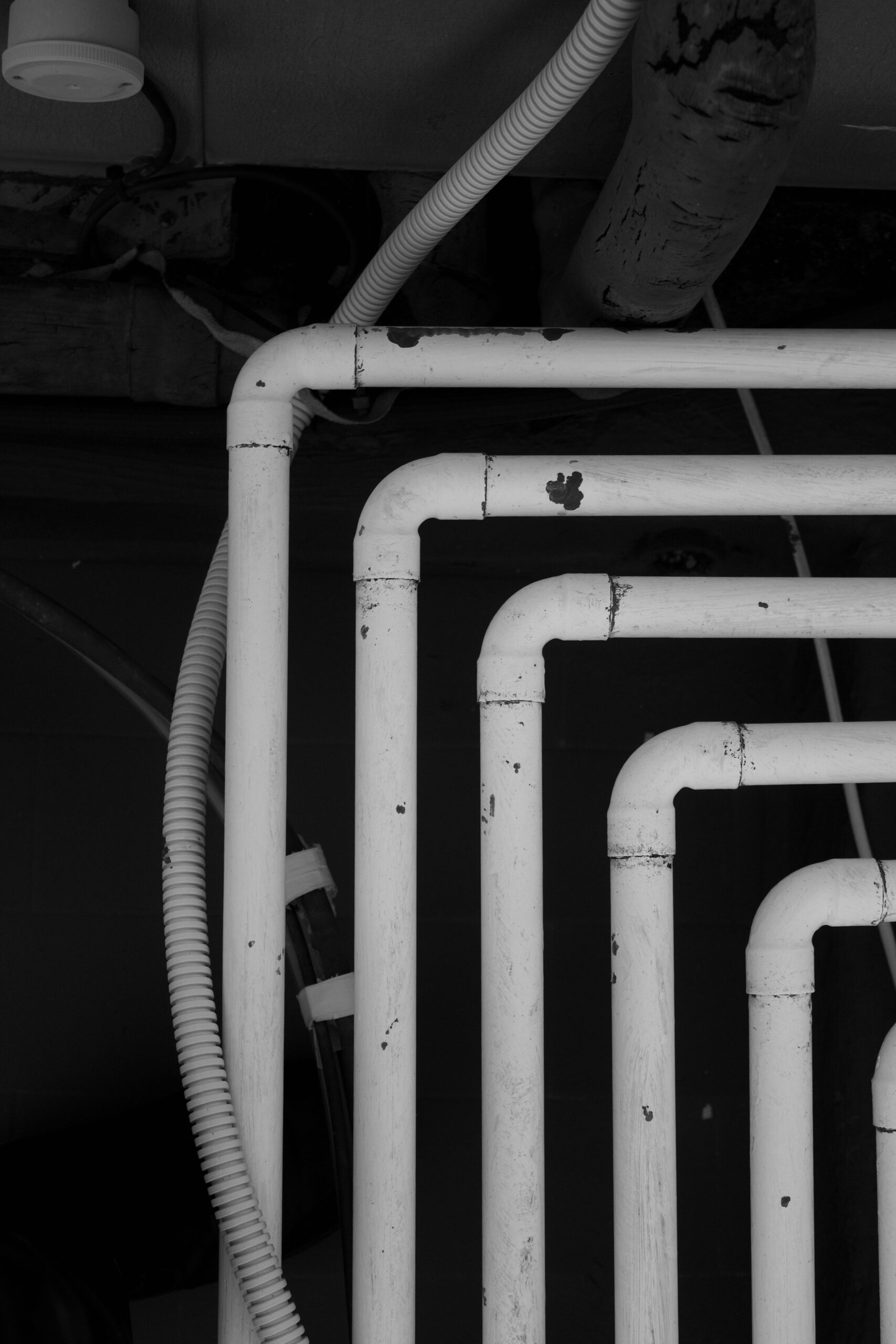
Industrial environments demand peak efficiency and safety, and one aspect critically shaping these factors is mechanical ventilation. Whether you’re operating in manufacturing, laboratory, or warehousing spaces, understanding industrial mechanical ventilation is key to maintaining air quality, optimizing worker safety, and ensuring compliance with regulations.
This guide unpacks what industrial mechanical ventilation is, its applications, and why it’s an essential investment for businesses. By the end, you’ll have actionable insights to select, implement, and maintain a ventilation system best suited for your industrial needs.
What Is Industrial Mechanical Ventilation?
Industrial mechanical ventilation refers to systems used to control airflow in large-scale industrial and commercial spaces. Unlike natural ventilation, which relies on openings like windows or doors, mechanical ventilation systems use fans, ducts, and air handlers to consistently move air into and out of a facility.
These systems ensure a stable supply of fresh air, remove contaminants, control temperature, and balance humidity levels. Whether managing a factory floor or a high-tech cleanroom, industrial mechanical ventilation is integral to maintaining optimal working conditions.
Why Is Mechanical Ventilation Crucial in Industrial Settings?
Before we discuss applications, let’s look at why mechanical ventilation systems are indispensable:
1. Air Quality and Safety
Industrial processes often produce hazardous gases, fumes, and particulates. Without proper ventilation, these contaminants accumulate, posing acute health risks to workers. For example, welding shops require mechanical exhaust systems to remove toxic fumes, while pharmaceutical production facilities rely on air handlers to maintain sterile environments.
2. Regulatory Compliance
Organizations such as OSHA, the EPA, and local environmental agencies stipulate air quality standards. An effective mechanical ventilation system ensures compliance, avoiding penalties and safeguarding employee well-being.
3. Product Quality Control
Certain industries, such as electronics and biotech, require controlled environments to protect the integrity of their products. Mechanical ventilation helps maintain consistent air pressure, temperature, and humidity, all of which are essential for high-quality output.
4. Energy Efficiency
Modern industrial ventilation systems are designed to reclaim energy, regulate temperature, and minimize waste, making operations more sustainable and cost-effective.
Common Applications of Industrial Mechanical Ventilation
The use of mechanical ventilation varies widely depending on industry type, facility layout, and operational needs. Here are some of its most critical applications:
1. Manufacturing
Processes such as painting, metalworking, and chemical production emit harmful byproducts. Industrial ventilation utilizes fume hoods, exhaust systems, and general dilution ventilation to keep these contaminants in check.
2. Warehousing and Logistics
Large warehouses can experience stagnant air pockets, uneven temperatures, and humidity issues. Ventilation systems efficiently circulate air, creating consistent climate control necessary for worker comfort and product storage.
3. Laboratories and Cleanrooms
Environments requiring high levels of sterility and precision rely on HEPA-filtered mechanical ventilation to control particulate levels and air pressure. Such systems ensure compliance with stringent industry standards.
4. Food Processing
Food manufacturing facilities demand strict hygiene. Mechanical ventilation systems here focus on removing heat, controlling odors, and maintaining proper food safety standards.
5. Underground Facilities
Mines, tunnels, or metro stations rely on ventilation to remove noxious gases and deliver fresh air to confined spaces for safe operations.
Types of Industrial Mechanical Ventilation Systems
When designing a system, understanding your options ensures that you choose the best fit for your operational needs. Here are the primary types:
1. General Exhaust Ventilation
This system circulates fresh outdoor air while diluting and exhausting contaminated air. It’s ideal for facilities dealing with minimal pollutant concentrations.
2. Local Exhaust Ventilation
Highly effective for targeted pollutant removal, these systems capture contaminants at their source using hoods, ducts, and vents.
3. Make-Up Air Units
Used in tandem with exhaust systems, these systems provide fresh, tempered air to replace the air that is removed, preventing negative pressure issues.
4. Natural vs. Mechanical Hybrid Systems
While mechanical systems dominate industrial setups, hybrid systems incorporating natural ventilation (like rooftop vents) can reduce energy consumption in less-sensitive environments.
Designing the Right Ventilation System for Your Facility
Designing an industrial mechanical ventilation system requires careful consideration of the following factors:
1. Airflow Rate Requirements
Calculate the volume of air changes needed per hour based on your facility’s size and processes. For example, welding stations have higher air-change requirements compared to office spaces.
2. Contaminant Control
Identify the specific pollutants or hazards in your operation. Tailor your ventilation to appropriately capture airborne chemicals, particulates, or VOCs.
3. Energy Efficiency
Look for systems designed with energy recovery ventilation (ERVs) or variable speed drives (VSDs), which automatically adjust airflow based on real-time conditions.
4. Compliance Standards
Match your design to industry-specific standards from OSHA, ASHRAE, or other governing bodies to ensure safety and legality.
5. Maintenance Accessibility
Choose systems with accessible components to simplify regular maintenance, saving costs over time.
Routine Maintenance and Monitoring Tips
Even the best-designed ventilation systems require routine care to perform optimally. Follow these maintenance best practices:
- Inspect Filters: Dirty filters reduce efficiency and circulation. Replace on a regular schedule based on usage intensity.
- Check Fan Motor Functionality: Pay attention to unusual noises or reduced speeds, which indicate wear-and-tear.
- Test Air Quality: Regular air sampling ensures your system functions as intended and that contaminant levels remain within regulations.
- Clean Ducts: Clogged or dirty pipes directly impact airflow efficiency.
- Leverage IoT: Install monitoring devices that alert you to changes in system performance or degradation.
Invest in Safer, Smarter Facilities
Industrial mechanical ventilation is more than just a functional system; it’s an investment in safety, productivity, and compliance. By understanding your facility’s unique requirements, you can select a tailored solution to ensure optimal air quality and performance.
Is your facility equipped with the right tools to maintain a safe and healthy work environment? Consult with industrial ventilation experts to perform an air quality assessment and take the first step toward a smarter workspace.
When evaluating industrial ventilation systems, it’s essential to consider factors such as airflow capacity, energy efficiency, and adaptability to changing conditions. Modern ventilation solutions often incorporate advanced features like automated controls and real-time monitoring to streamline operations and reduce energy costs. Additionally, regular maintenance and filtration upgrades play a crucial role in ensuring long-term effectiveness and compliance with health and safety regulations. Prioritizing these aspects not only safeguards employees’ well-being but also reinforces a facility’s commitment to sustainable and efficient practices.
Investing in innovative ventilation systems can also contribute to achieving sustainability goals by minimizing environmental impact. For instance, energy-efficient designs and the integration of renewable energy sources can significantly reduce a facility’s carbon footprint. Furthermore, adopting heat recovery technologies allows for the reuse of waste heat, improving overall energy efficiency. By combining these advancements with sound operational strategies, organizations can ensure not only compliance with environmental standards but also foster a healthier and greener future for both their workforce and the surrounding community.
Another crucial aspect of promoting sustainability within facilities is the implementation of water conservation measures. Technologies such as low-flow fixtures, rainwater harvesting systems, and advanced water recycling methods can drastically reduce water usage while maintaining operational efficiency. Additionally, conducting regular water audits helps identify areas of excessive consumption and provides opportunities for improvement. By prioritizing water stewardship, organizations not only contribute to environmental preservation but also reduce operational costs and build resilience against water scarcity challenges.


